Bali Travel Guide: Everything First-Timers Need to Know
Temples, rice terraces, surf beaches, and some of the best food in Asia — your complete guide to Bali with budget tips, best areas to stay, and when to visit.
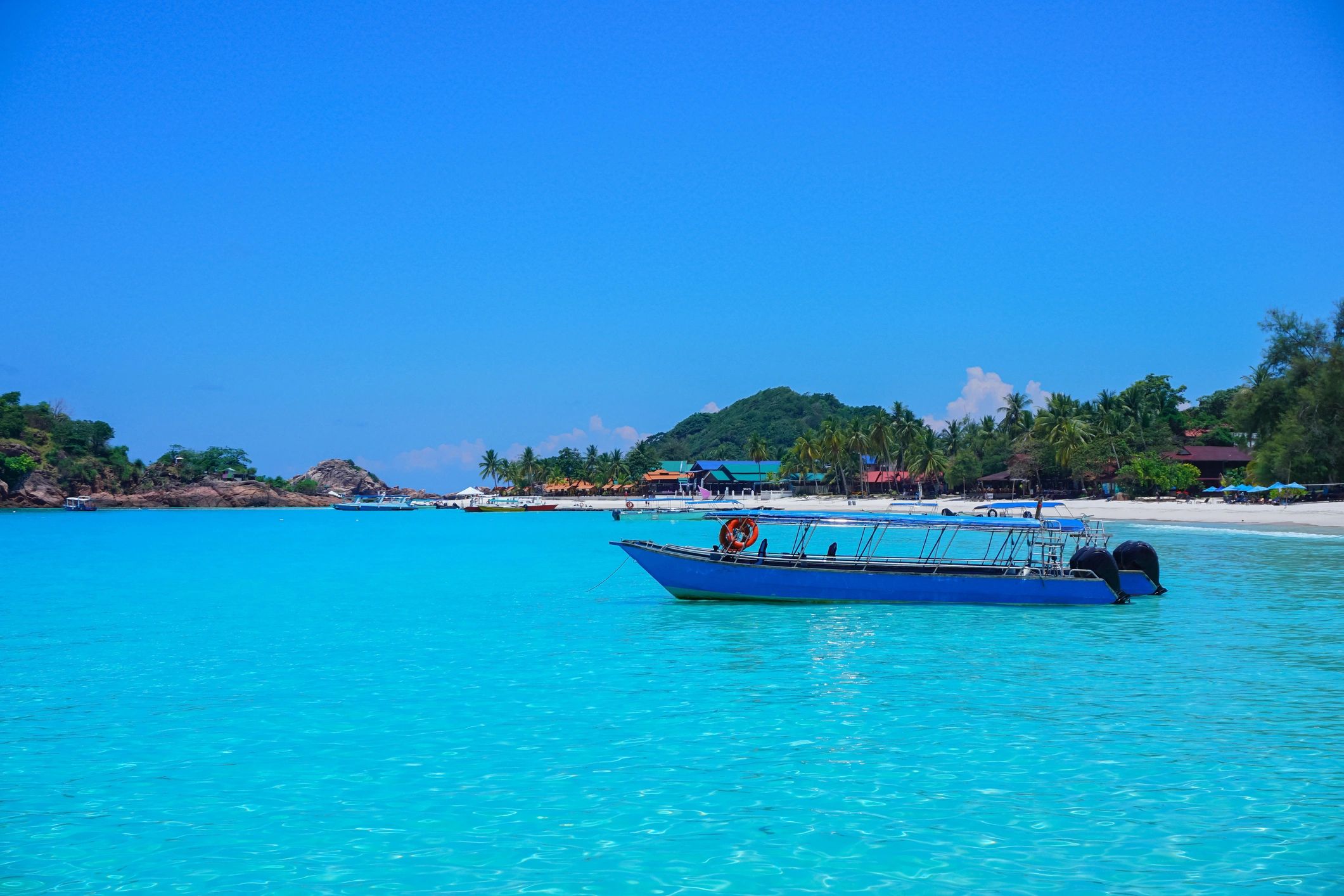
Bali is one of those places that gets under your skin. You arrive expecting a beach holiday and leave having visited ancient temples at sunrise, eaten the best satay of your life in a roadside warung, and watched the sun sink into the Indian Ocean from a clifftop in Uluwatu. It is an island that rewards curiosity — the more you explore beyond the obvious, the better it gets.
The Island of the Gods is the most visited destination in Indonesia and one of the most popular in all of Southeast Asia. But despite the crowds, Bali has managed to hold onto something genuinely special — a living Hindu culture that shapes everything from the flower offerings on the pavement to the sound of gamelan music drifting from a temple ceremony at dusk.
Here is everything you need to know before your first trip.
Top Attractions in Bali
Tegallalang Rice Terraces, Ubud
The cascading green rice terraces north of Ubud are one of the most photographed landscapes in Asia — and they are even more beautiful in person. The Tegallalang terraces are a UNESCO-listed cultural landscape, shaped over centuries by the traditional Balinese irrigation system called subak.
The best time to visit is early morning (before 8am) when the light is golden and the tour groups have not yet arrived. Entry is free, but you will be asked for a small donation (RP 10,000–20,000) at various points along the path. Avoid the overpriced swing operators that have proliferated along the ridge — they are expensive and the photos look the same everywhere.
Tanah Lot Temple
Perched on a rocky outcrop in the sea off Bali's southwest coast, Tanah Lot is the island's most iconic temple and one of the most photographed sunsets in the world. The temple itself is only accessible at low tide, and non-Hindus cannot enter the inner sanctum, but the views from the surrounding cliffs are spectacular at any time of day.
Arrive 90 minutes before sunset for the best light and to find a good viewing spot before the crowds arrive. Entry is RP 60,000 (approximately RM 18) for adults.
Uluwatu Temple & Kecak Fire Dance
Uluwatu Temple sits on a dramatic clifftop 70 metres above the Indian Ocean at the southern tip of the Bukit Peninsula. The temple is one of Bali's six key temples and is home to a large population of macaque monkeys — keep your sunglasses, phones, and anything shiny well secured.
Every evening at sunset, the temple hosts a Kecak Fire Dance performance — a hypnotic ritual dance performed by a chorus of 50–100 men chanting in unison around a fire. It is one of the most memorable experiences in Bali. Tickets cost RP 150,000 (approximately RM 45). Arrive 30 minutes early for a good seat.
Ubud Monkey Forest
A sacred forest sanctuary in the heart of Ubud, home to over 700 long-tailed macaques living among ancient temple ruins and towering banyan trees. It is atmospheric, slightly chaotic, and genuinely fascinating. Entry is RP 80,000 (approximately RM 24). Do not bring food, and keep bags zipped — the monkeys are bold and fast.
Seminyak & Kuta Beaches
Bali's most famous beaches stretch along the southwest coast. Kuta is the original tourist beach — lively, crowded, and great for beginner surfers. Seminyak, just north of Kuta, is more upscale with better restaurants, beach clubs, and a more sophisticated crowd. Canggu, further north again, has become the island's hippest neighbourhood — a mix of surfers, digital nomads, and boutique cafes.
Mount Batur Sunrise Trek
An active volcano in the highlands of central Bali, Mount Batur (1,717m) is one of the most popular sunrise treks in Southeast Asia. The hike takes 2–2.5 hours each way and rewards you with views of the crater lake, the surrounding caldera, and on a clear morning, the peak of Mount Agung rising above the clouds.
Most people join a guided tour that departs at 2am from Ubud or Kuta. Tours cost RP 300,000–500,000 (approximately RM 90–150) per person including a guide, transport, and breakfast at the summit. Book through your hotel or a reputable operator.
Tirta Empul Temple
One of Bali's most sacred temples, built around a natural spring whose waters are believed to have purifying powers. Balinese Hindus come here to perform melukat — a ritual purification ceremony in the temple's holy pools. Visitors are welcome to participate (sarong and sash required, available to rent at the entrance). Entry is RP 50,000 (approximately RM 15).
Local Food: What to Eat in Bali
Balinese cuisine is one of the most distinctive in Southeast Asia — rich with spices, coconut, and slow-cooked meats. Here is what you absolutely must try.
Babi Guling (Suckling Pig)
Bali's most famous dish — a whole pig stuffed with turmeric, lemongrass, galangal, and chilli, then slow-roasted over a wood fire for hours. The result is crispy skin, tender meat, and a depth of flavour that is unlike anything else. The best babi guling in Bali is at Ibu Oka in Ubud — a legendary warung that has been serving it since the 1950s. Arrive before noon; it sells out.
Nasi Campur Bali
A Balinese mixed rice plate — steamed rice surrounded by small portions of various dishes: shredded chicken, spiced minced meat (lawar), fried tempeh, vegetables, and sambal. Every warung has its own version, and no two are exactly alike. It is the most honest representation of everyday Balinese cooking and costs RP 20,000–40,000 (approximately RM 6–12) at a local warung.
Satay Lilit
Unlike the skewered satay found elsewhere in Southeast Asia, Balinese satay lilit is minced fish or chicken mixed with coconut, lime leaves, and spices, then wrapped around a lemongrass stalk and grilled over charcoal. It is aromatic, slightly sweet, and completely addictive. Found at warungs and night markets across the island.
Lawar
A traditional Balinese dish of finely chopped meat (usually pork or chicken), vegetables, grated coconut, and a complex spice paste. It is a ceremonial food that also appears on everyday menus. The flavour is intensely savoury with a hint of bitterness from the raw ingredients. Try it at a local warung rather than a tourist restaurant for the most authentic version.
Bebek Betutu (Slow-Cooked Duck)
A whole duck marinated in a rich spice paste (betutu) and slow-cooked for up to 12 hours, traditionally wrapped in banana leaves and buried in hot coals. The result is fall-off-the-bone tender meat with a deep, complex flavour. It is a special-occasion dish that takes all day to prepare — order it the day before at restaurants that specialise in it.
Jamu
A traditional Indonesian herbal tonic made from turmeric, ginger, tamarind, and other spices. Sold by women carrying bamboo baskets through the streets of Ubud and at health cafes across the island. It tastes earthy and slightly bitter, and is said to boost immunity and energy. A glass costs RP 10,000–20,000 (approximately RM 3–6).
Where to Eat
- Warungs (local eateries): The best and cheapest food in Bali. Look for the ones with handwritten menus and plastic chairs — that is where the locals eat.
- Ubud Food Market (Pasar Ubud): Open from early morning, the best place for local breakfast dishes and fresh produce.
- Seminyak restaurant strip: For a splurge, Seminyak has some of the best restaurants in Southeast Asia — La Lucciola, Sarong, and Merah Putih are all excellent.
- Jimbaran Bay seafood: A row of beachfront seafood restaurants where you choose your fish, crab, or prawns by weight and have them grilled on the beach. A classic Bali experience.
Budget Breakdown: How Much Does Bali Cost?
Bali is excellent value for money, though prices have risen significantly in popular areas like Seminyak and Canggu over the past decade.
Budget Traveller (RP 200,000–400,000 / RM 60–120 per day)
- Accommodation: Guesthouse or hostel — RP 80,000–150,000/night (RM 24–45)
- Food: 3 meals at warungs — RP 60,000–100,000/day (RM 18–30)
- Transport: Rented scooter — RP 60,000–80,000/day (RM 18–24)
- Activities: Temples (RP 50,000–80,000 each), 1 free beach day
Mid-Range Traveller (RP 600,000–1,500,000 / RM 180–450 per day)
- Accommodation: Boutique villa or 3–4 star hotel with pool — RP 400,000–800,000/night (RM 120–240)
- Food: Mix of warungs and sit-down restaurants — RP 150,000–250,000/day (RM 45–75)
- Transport: Hired driver for the day — RP 350,000–500,000 (RM 105–150)
- Activities: Sunrise trek, temple visits, cooking class — RP 200,000–400,000
Luxury Traveller (RP 3,000,000–15,000,000+ / RM 900–4,500+ per day)
- Accommodation: Private villa or 5-star resort (COMO Uma, Four Seasons, Aman) — RP 2,000,000–10,000,000/night (RM 600–3,000)
- Food: Fine dining and resort restaurants — RP 500,000–1,500,000/day (RM 150–450)
- Transport: Private car and driver — RP 600,000–1,000,000/day (RM 180–300)
- Activities: Private tours, spa treatments, helicopter experiences
Money-saving tip: Hire a private driver for full-day temple and sightseeing tours (RP 350,000–500,000 / RM 105–150 for 8–10 hours). It is far cheaper than booking individual tours and gives you complete flexibility. Ask your hotel or guesthouse to recommend a trusted driver.
Best Areas and Hotels to Stay In
Ubud — Best for Culture, Nature, and Wellness
The cultural heart of Bali, set in the cool highlands surrounded by rice terraces and jungle. Ubud is the place to base yourself if you want temples, cooking classes, yoga retreats, and the Tegallalang rice terraces. The town itself is walkable, with excellent restaurants, art galleries, and the famous Ubud Market.
Best for: Culture lovers, wellness travellers, couples, photographers.
Recommended hotels:
- Komaneka at Bisma (luxury, RP 3,500,000–7,000,000/night) — Stunning clifftop resort overlooking the Campuhan Ridge with exceptional service and dining.
- Alaya Resort Ubud (mid-range, RP 800,000–1,500,000/night) — Beautifully designed boutique resort in the heart of Ubud with a gorgeous pool.
- Bisma Eight (mid-range, RP 600,000–1,200,000/night) — Excellent value boutique hotel with rice terrace views and a great restaurant.
- Pondok Pundi Village Inn (budget, RP 150,000–300,000/night) — Clean, friendly guesthouse in a quiet neighbourhood, a short walk from the centre.
Seminyak — Best for Beach, Dining, and Nightlife
Bali's most stylish beach neighbourhood — upscale boutiques, world-class restaurants, beach clubs, and a sophisticated crowd. The beach is wide and beautiful, and the sunsets are spectacular. More expensive than Kuta but far more pleasant.
Best for: Couples, foodies, beach lovers, first-time visitors who want comfort.
Recommended hotels:
- The Layar (luxury, RP 4,000,000–12,000,000/night) — Stunning private villa resort with butler service and a private pool for every villa.
- The Layar (luxury) — Private villa resort with exceptional service.
- Katamama (luxury, RP 3,000,000–6,000,000/night) — Boutique hotel with handcrafted Balinese interiors and a superb cocktail bar.
- The Layar Seminyak (mid-range, RP 800,000–1,500,000/night) — Good value boutique hotel a short walk from the beach.
Canggu — Best for Surfers and Digital Nomads
North of Seminyak, Canggu has evolved from a quiet surf village into one of Bali's most fashionable neighbourhoods. It has excellent surf breaks (Batu Bolong and Echo Beach), a thriving cafe and coworking scene, and a younger, more alternative crowd than Seminyak. Getting busier every year.
Best for: Surfers, digital nomads, younger travellers, long stays.
Recommended hotels:
- The Slow (boutique luxury, RP 2,000,000–4,000,000/night) — One of the coolest hotels in Bali — a design-forward boutique with a legendary bar and excellent restaurant.
- Desa Potato Head (mid-range to luxury, RP 1,500,000–3,500,000/night) — A creative resort and cultural hub with a famous beach club, multiple restaurants, and beautifully designed rooms.
Uluwatu / Bukit Peninsula — Best for Surf and Seclusion
The dramatic clifftops of the Bukit Peninsula in southern Bali are home to world-class surf breaks (Padang Padang, Uluwatu, Bingin), hidden beach clubs, and some of the most spectacular ocean views on the island. Less developed than Seminyak or Canggu, with a more laid-back atmosphere.
Best for: Surfers, couples, travellers seeking seclusion.
Recommended hotels:
- Alila Villas Uluwatu (ultra-luxury, RP 5,000,000–15,000,000/night) — Clifftop infinity pool villas with breathtaking Indian Ocean views. One of the finest resorts in Asia.
- Single Fin Hotel (budget to mid-range, RP 300,000–700,000/night) — Casual, surf-focused guesthouse above the famous Single Fin bar with direct access to Uluwatu beach.
Kuta — Best for Budget Travellers and Beginner Surfers
The original Bali tourist hub — loud, crowded, and cheap. Kuta has a reputation for being tacky, but it is undeniably convenient and affordable. The beach is good for beginner surfers, and the nightlife is the liveliest on the island. Not the most atmospheric choice, but hard to beat on price.
Best for: Budget travellers, backpackers, beginner surfers, party-goers.
Getting Around Bali
Bali has no public transport system worth using as a tourist. Getting around requires planning.
Rent a scooter: The most popular option for independent travellers. RP 60,000–80,000/day (RM 18–24). You need an international driving licence, and the traffic in Kuta and Seminyak can be chaotic. Wear a helmet — it is legally required and genuinely necessary.
Hire a private driver: The most comfortable and flexible option for sightseeing. RP 350,000–500,000 (RM 105–150) for a full day (8–10 hours). Your driver will wait for you at each stop and can suggest routes and timing. Ask your hotel for a recommendation.
Grab: Available in most parts of Bali, though local taxi drivers sometimes harass Grab passengers. Works well in Ubud, Seminyak, and Canggu. Not available in some areas.
Blue Bird Taxis: The most reliable metered taxi company in Bali. Insist on the meter or agree on a price before getting in. Avoid unmarked taxis.
Insider Tips for First-Time Visitors
1. Dress respectfully at temples. A sarong and sash are required to enter any Balinese temple. They are available to rent or borrow at the entrance of most major temples (RP 10,000–20,000). Shoulders and knees must be covered. Women who are menstruating are traditionally asked not to enter.
2. The traffic in south Bali is genuinely bad. Kuta, Seminyak, and Canggu can be gridlocked for hours, especially in the late afternoon. Build extra time into any journey, and consider staying in Ubud if you want to avoid it entirely.
3. Bargain at markets, not at restaurants. Fixed prices are standard at restaurants and shops. At the Ubud Art Market and Kuta's street stalls, bargaining is expected — start at 30–40% of the asking price and meet in the middle.
4. Respect the offerings (canang sari). The small flower and incense offerings you see on pavements, steps, and doorways throughout Bali are daily religious offerings made by Balinese Hindus. Step over them, never on them.
5. Be careful with tap water. Tap water in Bali is not safe to drink. Use bottled water for drinking and brushing teeth. Most hotels provide complimentary bottled water.
6. Protect yourself from the sun. The Balinese sun is intense, especially at altitude (Ubud, Mount Batur). Apply SPF 50 sunscreen, wear a hat, and stay hydrated. Heat exhaustion is a real risk for travellers who underestimate it.
7. Book the Kecak Dance in advance. The Uluwatu Kecak Fire Dance sells out regularly during peak season. Book tickets through your hotel or at the temple box office earlier in the day.
8. The best rice terrace photos are free. The Tegallalang terraces charge entry at the main viewpoints, but you can walk along the paths between the paddies for free. The best angles are often away from the main tourist platforms.
9. Ubud is cooler than the coast. At 300–400 metres above sea level, Ubud is noticeably cooler than Kuta or Seminyak — typically 5–7°C lower. Pack a light layer for evenings, especially if you are doing the Mount Batur sunrise trek.
10. Bali belly is real — eat carefully in the first few days. Street food and warungs are generally safe, but your stomach needs time to adjust to new bacteria. Avoid raw vegetables, ice in drinks from street stalls, and anything that looks like it has been sitting out for a while. Carry oral rehydration salts just in case.
Best and Worst Times to Visit Bali
Bali's weather is governed by two distinct seasons — a dry season and a wet season — and the difference between them is significant enough to shape your entire trip.
Best Months to Visit
July and August — Peak Dry Season
The most popular months to visit Bali, and for good reason. July and August sit in the heart of the dry season, with clear skies, low humidity, and cooling southeast trade winds that make the heat bearable. The ocean is calm and clear, perfect for snorkelling and diving. Sunrise treks to Mount Batur are almost guaranteed to deliver clear views.
The downside is that everyone knows this. July and August are Bali's busiest months — accommodation prices peak, popular restaurants require reservations, and the roads in south Bali can be gridlocked. Book everything at least 2–3 months ahead.
May, June, and September — The Sweet Spot
The shoulder months on either side of peak season offer the best combination of good weather and manageable crowds. May and June see the dry season establishing itself — mostly clear days with occasional brief showers. September is arguably the finest month of all: the peak crowds have gone, the weather is still excellent, prices drop, and the island feels more like itself again.
April — Quiet and Affordable
April sits at the tail end of the wet season, with rain becoming less frequent and the landscape at its most lush and green. A good option for budget travellers who do not mind the occasional shower and want to avoid the crowds entirely.
Worst Months to Visit
January and February — Peak Wet Season
These are the wettest months in Bali. The northwest monsoon brings heavy daily rainfall — often several hours of intense downpours, sometimes accompanied by flooding in low-lying areas like Kuta and parts of Ubud. The humidity is oppressive, the roads can flood, and outdoor activities like the Mount Batur trek become unreliable.
That said, Bali in the wet season is not without its appeal. The rice terraces are at their most vivid green, the waterfalls are at full flow, and the island is at its quietest and cheapest. If your trip is focused on temples, cooking classes, and indoor cultural experiences, January and February can work — just pack a proper rain jacket and adjust your expectations for outdoor activities.
December — Crowds Without the Best Weather
December is a strange month in Bali. The wet season is well underway, bringing regular afternoon downpours, but the Christmas and New Year period drives a massive surge in tourism. Prices spike to their highest levels of the year, accommodation is scarce, and the roads in south Bali are at their most congested — all during weather that is far from Bali's best. Unless you specifically want to celebrate New Year's Eve in Bali (which is genuinely spectacular), December is a difficult month to recommend.
March — Transition Month
March is the transition between the wet and dry seasons. Rainfall is decreasing but still significant, and the weather is unpredictable. Some years March is mostly dry; others it rains heavily well into the month. A gamble — if you have flexibility, wait for April or May.
Month-by-Month Quick Reference
| Month | Weather | Crowds | Verdict |
|---|---|---|---|
| Jan | Wet, humid | Low | Avoid for outdoor activities |
| Feb | Wet, humid | Low | Avoid for outdoor activities |
| Mar | Transitional | Low | Gamble — can go either way |
| Apr | Mostly dry | Low–Moderate | Good value, lush scenery |
| May | Dry season begins | Moderate | Very Good |
| Jun | Dry, pleasant | Moderate–High | Very Good |
| Jul | Dry, sunny | Very High | Excellent — book ahead |
| Aug | Dry, sunny | Very High | Excellent — book ahead |
| Sep | Dry, quieter | Moderate | Best overall month |
| Oct | Dry to transitional | Low–Moderate | Good |
| Nov | Wet season begins | Low | Decent, increasing rain |
| Dec | Wet, expensive | Very High | Avoid unless celebrating NYE |
Final Thoughts
Bali is not a destination you visit once. It is a place you return to — each time discovering a new corner, a new temple, a new warung that becomes your favourite. The island has a way of revealing itself slowly, rewarding patience and curiosity over the rush to tick off the highlights.
Your first trip will almost certainly involve the Tegallalang rice terraces, the Uluwatu sunset, and a plate of babi guling in Ubud. All of those things are worth doing. But leave room in your itinerary for the unplanned — the ceremony you stumble across on a back road, the farmer who invites you to watch the harvest, the beach you find by taking a wrong turn.
That is the Bali that stays with you.
Ready to plan your Bali trip? Use our trip planner to build a personalised itinerary based on your travel style and budget.
Explore Topics
Written by
MyTravelTip2U
Content creator and writer sharing insights and stories.