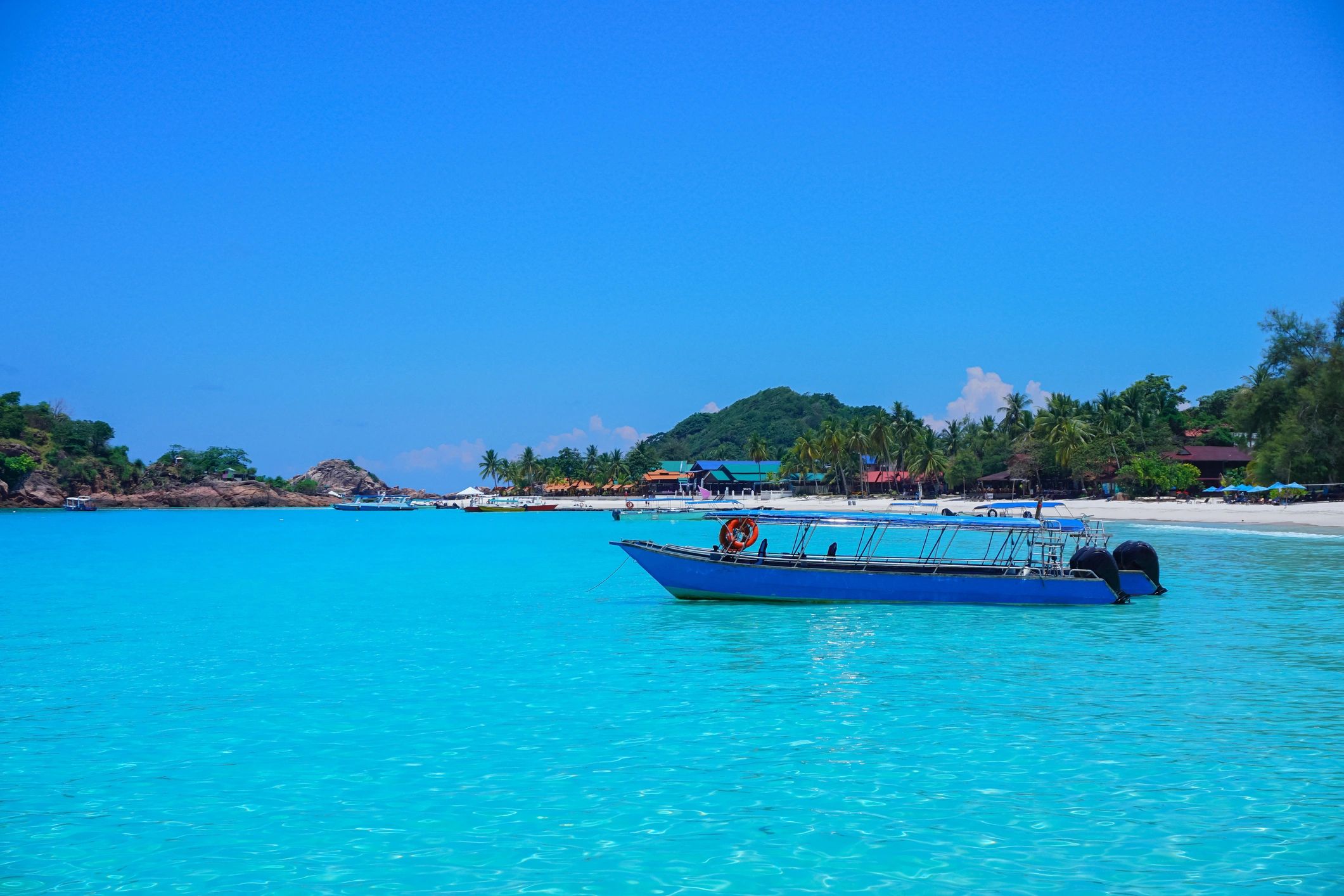
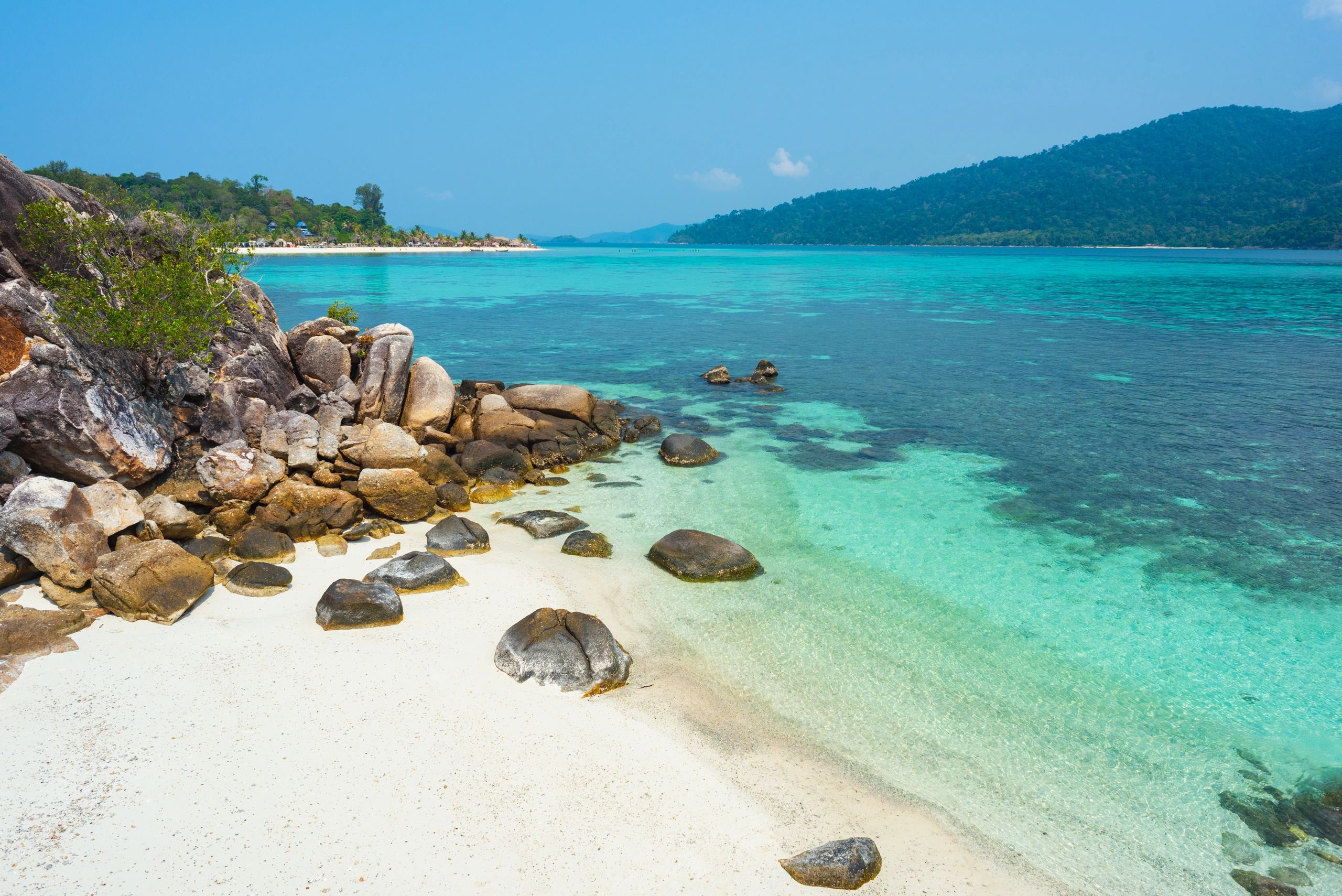
Lombok Travel Guide: Indonesia\'s Most Underrated Island
Pristine beaches, a towering volcano, world-class surf, and a deeply rooted Sasak culture — your complete guide to Lombok with budget tips, best regions to stay, and how to get there from Bali.
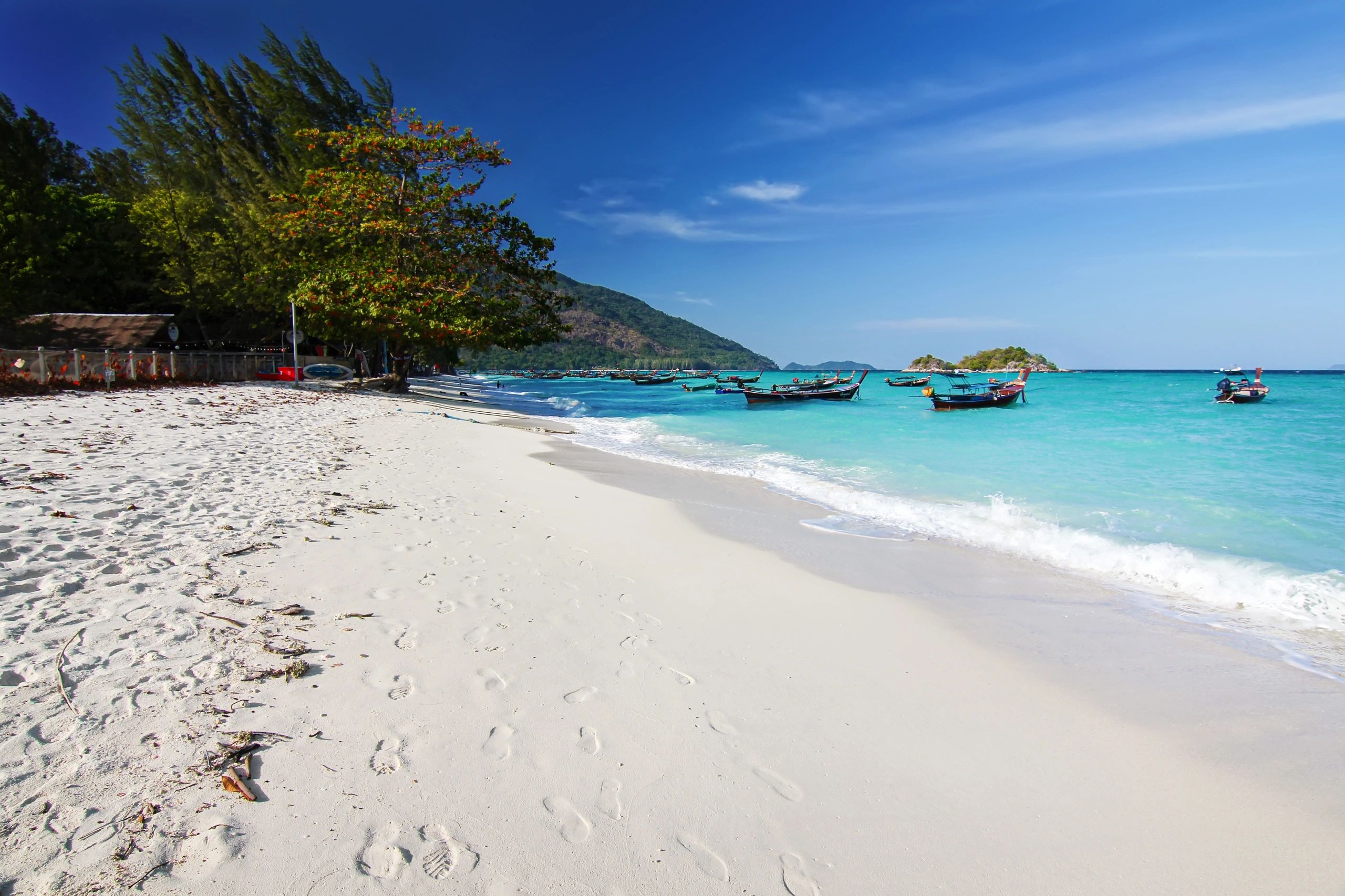
There is a version of Bali that existed before the crowds arrived — quieter, rawer, more genuinely Indonesian. That version of Bali no longer exists. But Lombok does.
Just 35 kilometres east of Bali across the Lombok Strait, Lombok is everything its famous neighbour used to be: white sand beaches with barely anyone on them, a towering volcano that draws serious trekkers from around the world, surf breaks that rival Uluwatu without the queues, and a culture — the Sasak people, predominantly Muslim, with traditions stretching back centuries — that feels entirely its own. The island is not undiscovered. But it is unhurried. And in Southeast Asia, that is increasingly rare.
Lombok is also one of the most Muslim-friendly destinations in Indonesia. The majority Sasak population means halal food is the default, not the exception, and the island's culture and pace suit travellers who want beauty without the party-island atmosphere of Bali's Kuta or Seminyak.
Here is everything you need to plan the perfect trip.
Understanding Lombok's Regions
Lombok is roughly the size of Bali but far less developed. Understanding the island's distinct regions will help you decide where to base yourself and how to structure your time.
Senggigi — The Main Tourist Hub
Senggigi is Lombok's original tourist strip — a long coastal road of hotels, restaurants, and dive shops running along the northwest coast. It is the most developed part of the island and the easiest base for first-time visitors: good transport links, a range of accommodation at every price point, and easy access to the Gili Islands by fast boat.
Senggigi is quieter than it was a decade ago — many travellers now bypass it entirely in favour of the south coast — but it remains a convenient and comfortable base, especially for those arriving from Bali who want a gentle introduction to the island.
Best for: First-timers, families, and travellers who want convenience and transport links.
Kuta Lombok — The South Coast's Wild Heart
Kuta Lombok (not to be confused with Kuta Bali) is the centre of the island's south coast scene — a small town surrounded by a string of extraordinary beaches, each separated from the next by rocky headlands and accessible by motorbike or 4WD. The beaches here — Tanjung Aan, Mawun, Selong Belanak, Gerupuk — are among the most beautiful in Indonesia, and most of them are still largely empty.
Kuta itself is a small, dusty town that has been on the verge of a development boom for years without quite tipping over. There are good restaurants, surf schools, and a growing number of boutique guesthouses, but it retains a frontier quality that makes it feel genuinely adventurous.
Best for: Surfers, beach lovers, independent travellers, and anyone who wants Lombok at its most raw and beautiful.
Tetebatu — The Green Interior
Tetebatu is a highland village on the southern slopes of Mount Rinjani, surrounded by rice paddies, tobacco fields, and jungle waterfalls. It is the agricultural heart of Lombok — a world away from the beaches, cool and green and quiet, with views of the volcano rising above the mist.
Tetebatu is the best base for exploring Lombok's interior: the traditional Sasak villages, the waterfalls at Jeruk Manis and Joben, and the monkey forest at Wanagiri. It is also a logical staging point for Mount Rinjani treks that approach from the south.
Best for: Nature lovers, photographers, cultural travellers, and anyone who wants to see Lombok beyond the beaches.
The Gili Islands — Three Islands, Three Personalities
The Gili Islands — Gili Trawangan, Gili Meno, and Gili Air — sit off Lombok's northwest coast and are technically part of Lombok's administrative region, though they feel like a world apart. No motorised vehicles on any of the islands. No dogs. Turquoise water, white sand, and coral reefs that begin at the waterline.
Gili Trawangan is the largest and most developed — a lively island of beach bars, dive shops, and a party scene that runs until dawn. Gili Meno is the smallest and most romantic — a quiet, unhurried island of bungalows and hammocks, popular with honeymooners. Gili Air sits between the two in every sense — more developed than Meno, calmer than Trawangan, with a good balance of restaurants, dive shops, and beach time.
Best for: Snorkelling, diving, beach relaxation, and island-hopping between all three.
Top Activities in Lombok
Trekking Mount Rinjani
Mount Rinjani is the second-highest volcano in Indonesia at 3,726 metres, and one of the most spectacular trekking destinations in Southeast Asia. The summit crater contains a turquoise crater lake (Segara Anak) and an active inner cone (Gunung Baru Jari) that still steams and occasionally erupts. The views from the rim — across Lombok, Bali, Sumbawa, and the Gili Islands — are extraordinary.
The standard trek takes two to three days and two nights, with most trekkers camping on the crater rim and descending to the lake before summiting. The trail is steep, the altitude is significant, and the weather can change rapidly — this is a serious mountain, not a casual hike.
Practical info: All treks must be done with a licensed guide through the Rinjani Trek Centre in Senaru (north approach) or Sembalun (east approach). A standard 3-day/2-night trek costs IDR 1,500,000–2,500,000 (approximately RM 430–720) per person including guide, porter, meals, and camping equipment. Book through your hotel or directly at the trek centre. The mountain is closed during the wet season (approximately January to March) and after significant eruptions — check current status before booking.
Best approach: Senaru (north) for the most dramatic scenery and the classic crater lake descent. Sembalun (east) for a longer but more gradual ascent with views across the Sembalun Valley.
Beaches of the South Coast
Lombok's south coast has some of the finest beaches in Indonesia — a series of bays and headlands stretching from Kuta west to Belongas and east to Ekas, each with its own character.
Tanjung Aan is the jewel — a double bay of fine white sand and turquoise water, with a distinctive pepper-corn sand texture on the eastern bay that is unlike any other beach in Indonesia. The water is calm and clear, the beach is wide, and there is a small warung selling cold drinks and grilled fish. It is 15 minutes by motorbike from Kuta.
Mawun Beach is a perfect crescent of white sand sheltered by two headlands, with calm, swimmable water and almost no development. One of the most beautiful beaches in Lombok and still largely unknown to international visitors.
Selong Belanak is a long, sweeping bay popular with beginner surfers — the waves are gentle and consistent, the beach is wide, and several surf schools operate from the sand. The surrounding hills are spectacular.
Gerupuk is a fishing village on a bay east of Kuta, with several surf breaks accessible only by boat. The inside break is suitable for intermediates; the outside breaks are for experienced surfers only. Boat hire to the breaks costs IDR 50,000–100,000 per person.
Snorkelling and Diving the Gili Islands
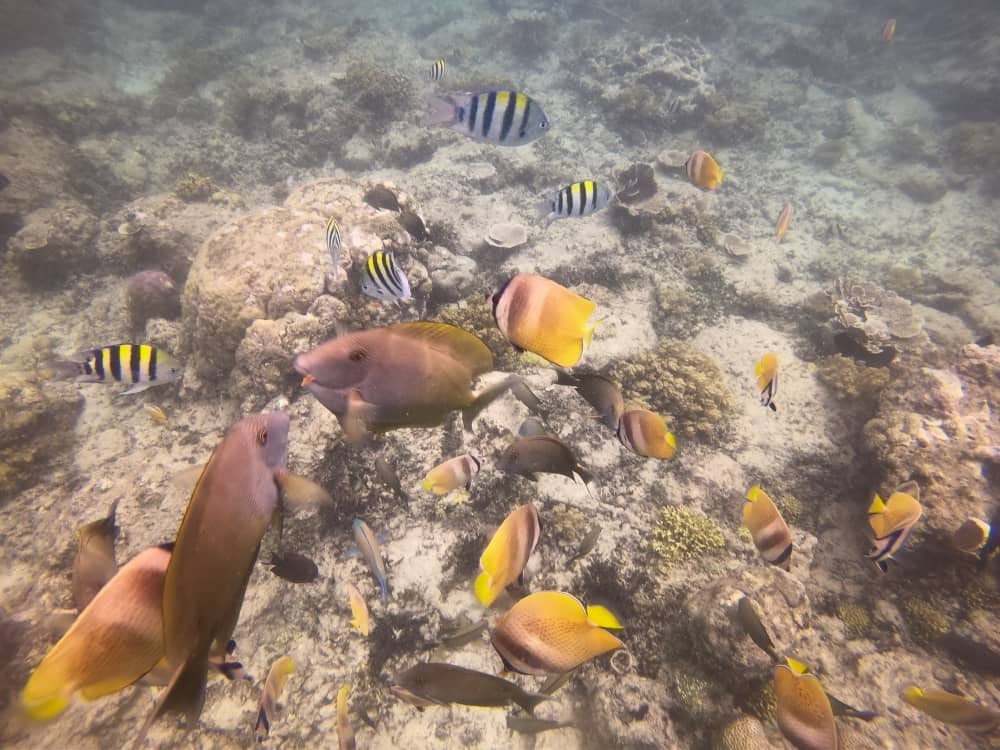
The Gili Islands offer some of the best snorkelling and diving in Indonesia — and because there are no motorised boats in the water around the islands, the reefs are in excellent condition. Sea turtles are almost guaranteed at every snorkelling spot, and the visibility regularly exceeds 20 metres.
Best snorkelling spots: Turtle Point off Gili Trawangan's north coast. The shallow reef off Gili Meno's east side. The coral garden off Gili Air's northeast corner. All are accessible by swimming from the beach or by short boat ride.
Diving: The Gilis have a well-established dive industry with dozens of PADI-certified operators on all three islands. A two-dive fun dive costs IDR 500,000–700,000 (approximately RM 145–200) including equipment. PADI Open Water courses cost IDR 3,500,000–4,500,000 (approximately RM 1,000–1,300).
Practical tip: The best snorkelling is in the morning before the wind picks up. Bring your own reef-safe sunscreen — it is available on the islands but significantly more expensive than the mainland.
Surfing Lombok's South Coast
Lombok's south coast has some of the best surf in Indonesia — powerful reef breaks that work on south swells, with far fewer surfers in the water than at comparable spots in Bali. The season runs from April to October when the south swells are most consistent.
Desert Point (Bangko Bangko) — Located on Lombok's southwest peninsula, Desert Point is one of the most legendary left-hand barrel waves in the world. Long, hollow, and powerful, it breaks over a shallow reef and is strictly for experienced surfers. The location is remote — a 2-hour drive from Kuta — but the wave is worth the journey when it is firing.
Gerupuk — Multiple breaks in a sheltered bay, accessible by boat from the fishing village. The inside break (Don Don) is suitable for intermediates. The outside breaks (Inside Ekas, Outside Ekas) are for experienced surfers. The most accessible surf destination on the south coast.
Selong Belanak — A long, gentle beach break ideal for beginners and longboarders. Surf schools operate from the beach and rent boards by the hour (IDR 50,000–80,000/hour).
Traditional Sasak Villages
Lombok's indigenous Sasak people have maintained their traditional culture and architecture in a way that feels genuine rather than performed for tourists. Several traditional villages are open to visitors and offer a fascinating window into a way of life that has changed little over centuries.
Sade Village near Rambitan is the most visited — a compact village of traditional lumbung (rice barn) houses with distinctive thatched roofs, where women weave traditional songket cloth on hand looms. Entry is free (a donation is expected). The weaving demonstrations are genuine — the cloth is sold directly to visitors.
Ende Village near Sade is smaller and less visited, with a more authentic atmosphere. The traditional houses here are built on raised platforms with buffalo horn decorations.
Practical tip: Visit in the morning before the tour groups arrive. Hire a local guide from the village rather than bringing one from your hotel — the money stays in the community and the information is more accurate.
Waterfalls of the Interior
Lombok's interior is laced with waterfalls fed by the streams running down from Mount Rinjani. Most are accessible by motorbike and a short walk through rice paddies and jungle.
Sendang Gile and Tiu Kelep near Senaru are the most impressive — a two-waterfall circuit in the forest at the base of Rinjani. Sendang Gile is a 15-minute walk from the car park; Tiu Kelep requires crossing the river and a steeper 30-minute walk but rewards with a powerful cascade and a natural pool for swimming. Entry is IDR 10,000 per person.
Benang Stokel and Benang Kelambu near Aik Berik in central Lombok are less visited and more atmospheric — a series of tiered falls draped in moss and ferns, with a swimming hole at the base. The walk through the rice paddies to reach them is as beautiful as the falls themselves.
Local Food: What to Eat in Lombok
Lombok's food is distinct from Bali's — spicier, more Arab-influenced, and almost entirely halal by default. The Sasak cuisine reflects the island's Muslim heritage and its history as a trading port on the spice route.
Ayam Taliwang
Lombok's most famous dish — a whole or half chicken marinated in a fiery paste of chilli, garlic, shrimp paste, and lime, then grilled over charcoal. The result is smoky, intensely spiced, and addictive. It is served with plecing kangkung (water spinach in a chilli-tomato sauce) and steamed rice. Every restaurant on the island serves it, but the best versions are at the small warungs in Mataram and Cakranegara.
Where to eat it: Ayam Taliwang Irama in Mataram is the most famous — a no-frills warung that has been serving the dish for decades. Budget IDR 35,000–60,000 (approximately RM 10–17) for a half chicken with sides.
Plecing Kangkung
Water spinach blanched and served cold with a dressing of chilli, tomato, shrimp paste, and lime juice. It is the default side dish for ayam taliwang and one of the most refreshing things you will eat in the tropical heat. The version in Lombok is spicier and more complex than similar dishes elsewhere in Indonesia.
Sate Rembiga
Lombok's version of satay — minced beef mixed with coconut, palm sugar, and a complex spice paste, then grilled on skewers over charcoal. The flavour is sweet, smoky, and deeply savoury. Sate Rembiga is named after the village of Rembiga near Mataram where it originated. Find it at night markets and warungs across the island. Budget IDR 20,000–35,000 for a portion of 10 skewers.
Nasi Balap Puyung
A Lombok-specific rice dish from the village of Puyung — steamed rice topped with shredded spiced chicken (ayam pelecing), fried soybeans, and a fierce sambal. It is a breakfast and lunch staple for locals, eaten at small warungs that open from 6am and sell out by noon. Budget IDR 15,000–25,000 (approximately RM 4–7).
Beberuk Terong
A Sasak salad of raw or lightly cooked eggplant and long beans dressed with a spiced coconut and chilli sauce. It is a common side dish at local warungs and a good introduction to the flavour profile of Sasak cooking — earthy, spicy, and slightly bitter.
Fresh Seafood
Lombok's fishing villages produce excellent fresh seafood — grilled fish, prawns, squid, and lobster are available at beachside restaurants along the south coast and at the night market in Senggigi. The lobster at the Jukung Cafe in Tanjung Aan is particularly good — order it grilled with garlic butter and eat it on the beach. Budget IDR 150,000–300,000 (approximately RM 43–86) for a whole lobster depending on size and season.
Halal Food in Lombok
Unlike Bali, where halal food requires research and planning, Lombok is a Muslim-majority island where halal is the default. The vast majority of restaurants, warungs, and street food stalls serve food that is naturally halal — no pork, no lard, and alcohol is generally absent from local establishments (though tourist-facing restaurants in Senggigi and the Gili Islands do serve alcohol).
What to know: Lombok does not have widespread formal halal certification in the way that Malaysia or Singapore does, but the Muslim-majority culture means that pork and lard are simply not used in local cooking. When in doubt, ask — most warung owners will confirm immediately whether their food is halal.
Naturally Halal Sasak Cuisine
All of the dishes described in the Local Food section above — ayam taliwang, plecing kangkung, sate rembiga, nasi balap puyung, beberuk terong — are naturally halal. Sasak cuisine uses chicken, beef, and seafood, with no pork products. The cooking fats are coconut oil and vegetable oil.
Practical tip: Eat where locals eat. The small warungs along the main roads in Mataram, Praya, and Kuta serve authentic Sasak food that is halal by default and significantly cheaper than tourist restaurants.
Recommended Halal Restaurants
Ayam Taliwang Irama, Mataram — The most famous ayam taliwang restaurant on the island. A no-frills warung that has been serving the dish for decades. Entirely halal, no alcohol. Budget IDR 35,000–60,000 per person.
Warung Bule, Kuta Lombok — A popular warung near the Kuta beach road serving Sasak staples — nasi campur, ayam taliwang, sate rembiga — at local prices. Halal by default, friendly to solo travellers. Budget IDR 25,000–50,000 per person.
Jukung Cafe, Tanjung Aan — A beachside restaurant at Tanjung Aan serving fresh grilled seafood, Indonesian rice dishes, and cold drinks. Halal, no pork, alcohol available for non-Muslim guests but kept separate. Budget IDR 50,000–150,000 per person.
Ashtari Restaurant, Kuta — A hilltop restaurant above Kuta with panoramic views of the south coast. Serves Indonesian and Western food, halal-friendly menu, no pork. The sunset views from the terrace are among the best on the island. Budget IDR 60,000–120,000 per person.
Night Market (Pasar Malam), Mataram — The night market near the Mataram Mall is the best place to eat like a local — dozens of stalls selling sate, nasi goreng, mie goreng, grilled corn, and fresh fruit juices. Everything is halal. Budget IDR 20,000–50,000 for a full meal.
The Gili Islands — Halal Considerations
The Gili Islands are more cosmopolitan than mainland Lombok — alcohol is widely available and the food scene is international. However, halal options are readily available on all three islands:
- Gili Trawangan: Several Indonesian warungs on the east side of the island serve halal Sasak and Indonesian food. Look for the local warungs away from the main beach strip.
- Gili Meno: The smaller, quieter island has fewer options but the local warungs serve halal Indonesian food by default.
- Gili Air: The most balanced option — a mix of international restaurants and local warungs, with halal Indonesian food available throughout.
Practical tip: On the Gili Islands, look for warungs displaying the word "halal" or ask staff directly. The local Indonesian-run establishments are almost always halal; the international beach bars are not.
Budget Breakdown: How Much Does Lombok Cost?
Lombok is significantly cheaper than Bali for accommodation and food, and roughly comparable for activities. The south coast is cheaper than Senggigi; the Gili Islands are the most expensive part of the trip.
Budget Traveller (IDR 200,000–400,000 per day / RM 58–115)
- Accommodation: Basic guesthouse or homestay — IDR 80,000–150,000/night
- Food: Local warungs and night markets — IDR 50,000–100,000/day
- Transport: Motorbike rental — IDR 60,000–80,000/day
- Activities: Beach visits, village walks, waterfall entry — IDR 10,000–30,000
Mid-Range Traveller (IDR 600,000–1,200,000 per day / RM 172–345)
- Accommodation: Boutique guesthouse or mid-range resort — IDR 300,000–600,000/night
- Food: Mix of warungs and tourist restaurants — IDR 150,000–300,000/day
- Transport: Motorbike rental plus occasional car hire — IDR 80,000–200,000/day
- Activities: Snorkelling trip, surf lesson, waterfall trek — IDR 100,000–300,000
Luxury Traveller (IDR 2,500,000–6,000,000+ per day / RM 720–1,725)
- Accommodation: Jeeva Klui, Qunci Villas, or Katamaran Resort — IDR 1,500,000–4,000,000/night
- Food: Resort dining and upscale beach restaurants — IDR 400,000–800,000/day
- Transport: Private driver — IDR 400,000–600,000/day
- Activities: Mount Rinjani guided trek, private snorkelling charter — IDR 500,000–2,500,000
Money-saving tip: Rent a motorbike. It is the single best decision you can make in Lombok — it gives you complete freedom to explore the south coast beaches, reach waterfalls, and visit villages at your own pace. Motorbike rental costs IDR 60,000–80,000 per day (approximately RM 17–23). An international driving licence is technically required; a Malaysian driving licence is generally accepted. Drive carefully on the unpaved roads to the south coast beaches.
Best Areas and Hotels to Stay In
Senggigi — Best for First-Timers and Families
The most established tourist area on the island, with the widest range of accommodation and the best transport links to the Gili Islands and Mataram.
Recommended:
- Jeeva Klui Resort (luxury, IDR 1,800,000–3,500,000/night) — A boutique resort on a private beach north of Senggigi, with 25 thatched villas set in tropical gardens. The most beautiful resort in the Senggigi area, with an excellent restaurant and direct beach access. Halal-friendly dining available.
- Qunci Villas (luxury, IDR 1,500,000–3,000,000/night) — A stylish boutique resort with two pools, a spa, and a beachfront restaurant. Consistently rated one of the best hotels in Lombok. Halal-friendly menu options available.
- Puri Mas Boutique Resort (mid-range, IDR 500,000–900,000/night) — Well-maintained bungalows in a garden setting, a short walk from Senggigi Beach. Good value for the location and popular with families.
- Sonya Homestay (budget, IDR 150,000–250,000/night) — A clean, friendly homestay run by a local family, a short walk from the beach. The best budget option in Senggigi.
Kuta Lombok — Best for Surfers and Beach Lovers
The most exciting base on the island for independent travellers — close to the best beaches, with a growing food and accommodation scene.
Recommended:
- Kuta Indah Hotel (mid-range, IDR 350,000–650,000/night) — The best mid-range option in Kuta, with a pool, a good restaurant, and helpful staff who can arrange motorbike hire, surf lessons, and day trips. Halal-friendly dining.
- Novotel Lombok Resort (luxury, IDR 1,200,000–2,500,000/night) — A large resort on Mandalika Beach with multiple pools, a spa, and direct beach access. The most polished luxury option in the Kuta area.
- Yuli's Homestay (budget, IDR 100,000–200,000/night) — A legendary budget option in Kuta, run by the same family for over 20 years. Simple rooms, a communal kitchen, and a wealth of local knowledge from the owners. Book ahead — it fills up fast.
Gili Trawangan — Best for Diving and Nightlife
The most developed of the three Gili Islands, with the widest range of accommodation and the most active social scene.
Recommended:
- Katamaran Resort (luxury, IDR 1,500,000–3,000,000/night) — The most elegant resort on Gili Trawangan, with overwater bungalows, a beautiful pool, and a beachfront restaurant. The best option for couples who want luxury on the Gilis.
- Pondok Santi Estate (mid-range, IDR 600,000–1,200,000/night) — A boutique guesthouse on the quieter north side of the island, away from the party scene. Excellent value and a genuinely peaceful atmosphere.
- Manta Dive Gili T (budget–mid, IDR 250,000–500,000/night) — A dive resort with simple but comfortable rooms, a pool, and a dive centre. The best option for divers who want to be in the water every day.
Getting to Lombok
From Bali — The Most Popular Route
Fast boat (Padangbai to Gili Islands or Teluk Nare): The most popular option for travellers combining Bali and Lombok. Fast boats depart from Padangbai on Bali's east coast and arrive at the Gili Islands (2–2.5 hours) or Teluk Nare on Lombok's northwest coast (2 hours). Tickets cost IDR 350,000–550,000 (approximately RM 100–158) one way. Operators include Eka Jaya, Gili Getaway, and Blue Water Express. Book online in advance during peak season.
Slow ferry (Padangbai to Lembar): The cheapest option — a government ferry that takes 4–5 hours and costs IDR 50,000–70,000 (approximately RM 14–20). Departs every 1–2 hours, 24 hours a day. Comfortable enough for the price, with a canteen on board. Arrives at Lembar port on Lombok's southwest coast, from where you need a taxi or ojek (motorbike taxi) to your destination.
Flying: The fastest option — Bali (DPS) to Lombok (LOP) takes 30 minutes. AirAsia, Garuda Indonesia, and Lion Air all operate the route. Fares start from IDR 300,000 (approximately RM 86) one way when booked in advance. Lombok International Airport (LOP) is located in the south of the island, 30–40 minutes from Kuta and 45–60 minutes from Senggigi.
From Kuala Lumpur
AirAsia operates direct flights from KLIA2 to Lombok International Airport (LOP) several times weekly. Flight time is approximately 2.5 hours. Fares start from RM 180–250 one way when booked in advance. This is the most direct option for Malaysian travellers who want to visit Lombok without transiting through Bali.
Insider Tips for First-Time Visitors
1. Rent a motorbike on day one. Lombok's best beaches, waterfalls, and villages are spread across the island and not well-served by public transport. A motorbike (IDR 60,000–80,000/day) gives you complete freedom. The roads to the south coast beaches are unpaved in places — take it slowly and wear a helmet.
2. The south coast is better than Senggigi. Most first-time visitors base themselves in Senggigi because it is the most established tourist area. The south coast — Kuta, Tanjung Aan, Mawun, Selong Belanak — is significantly more beautiful and increasingly well-served with accommodation and restaurants. If you have the choice, base yourself in Kuta.
3. Book Rinjani treks well in advance. Mount Rinjani is one of the most popular treks in Southeast Asia, and the number of daily trekkers is capped by the national park. During peak season (July–September), permits sell out weeks ahead. Book through the Rinjani Trek Centre or a licensed operator at least 2–4 weeks before your planned trek date.
4. Lombok is predominantly Muslim — dress respectfully. Outside of the tourist beaches and the Gili Islands, dress modestly when visiting villages, markets, and mosques. Cover shoulders and knees. The Sasak people are welcoming and hospitable, but respectful dress is appreciated and expected.
5. The Gili Islands have no motorised vehicles. Getting around is by foot, bicycle (IDR 30,000–50,000/day to rent), or cidomo (horse-drawn cart). There are no taxis, no motorbikes, and no cars. This is one of the great pleasures of the islands — and also means you should pack light.
6. Haggle respectfully at markets and for transport. Prices at markets, for motorbike hire, and for informal transport are negotiable. Start at 50–60% of the asking price and settle somewhere in between. Be friendly, not aggressive — the Sasak people are gentle and the negotiation should feel like a conversation, not a confrontation.
7. Carry cash. ATMs are available in Mataram, Senggigi, and Kuta, but they are unreliable and often run out of cash during peak season. Withdraw IDR 500,000–1,000,000 at a time and keep a reserve. The Gili Islands have ATMs but they charge high fees and frequently run out of cash — withdraw on the mainland before crossing.
8. The best time to visit Tanjung Aan is early morning. The beach is at its most beautiful in the first two hours after sunrise — the light is golden, the water is calm, and the beach is empty. By 10am the day-trippers arrive. Set your alarm.
9. Try nasi balap puyung for breakfast. The local breakfast dish — rice with spiced chicken, fried soybeans, and sambal — is one of the best things you will eat in Lombok and costs less than RM 7 at a local warung. Look for the warungs that open at 6am and have a queue of locals outside.
10. Lombok rewards slow travel. The island is not a checklist destination. The best experiences here — a morning at an empty beach, a conversation with a weaver in Sade Village, a sunset from the Ashtari terrace — happen when you slow down and let the island come to you. Build in more time than you think you need.
Best and Worst Times to Visit Lombok
Lombok's climate follows a similar pattern to Bali — a dry season from approximately May to October and a wet season from November to April — but the south coast is generally drier and sunnier than Bali during the shoulder months.
Best Times to Visit
July to September — Peak Dry Season
The best weather on the island — dry, sunny, and consistently warm (28–33°C). The surf on the south coast is at its most consistent, the visibility for diving and snorkelling is at its best, and the trekking conditions on Mount Rinjani are ideal. This is also the busiest period — accommodation in Kuta and on the Gili Islands fills up quickly, and Rinjani trek permits sell out weeks ahead. Book everything well in advance.
May and June — Early Dry Season
The crowds thin out after the April school holidays and the weather is already excellent. May and June offer the best combination of good conditions and reasonable prices — hotel rates are 20–30% lower than peak season, the beaches are quieter, and the surf is building. An excellent time to visit for independent travellers who want the good weather without the peak season prices.
April — Shoulder Season
April is the transition month between the wet and dry seasons. The weather is generally good — mostly sunny with occasional afternoon showers that clear quickly. The island is quiet, prices are low, and the landscape is at its most lush and green after the wet season rains. A good option for budget travellers and those who do not mind a little unpredictability.
Worst Times to Visit
January and February — Peak Wet Season
The wettest months on the island. Heavy afternoon and evening rain is common, the surf on the south coast is blown out, and Mount Rinjani is closed. The Gili Islands are quieter and cheaper, but the weather makes beach time unreliable. Not recommended for a first visit.
December — Expensive and Wet
December brings the Christmas and New Year holiday rush — prices spike across the island, accommodation fills up, and the weather is increasingly wet. Unless you are specifically celebrating New Year on the Gilis, December is not the best time to visit.
Month-by-Month Quick Reference
| Month | Weather | Crowds | Verdict |
|---|---|---|---|
| Jan | Wet, humid | Low | Avoid — Rinjani closed |
| Feb | Wet, humid | Low | Avoid — Rinjani closed |
| Mar | Transitional | Low | Risky — improving late month |
| Apr | Mostly dry | Low–Moderate | Good value, lush scenery |
| May | Dry season begins | Moderate | Very Good |
| Jun | Dry, pleasant | Moderate | Very Good — best value |
| Jul | Dry, sunny | Very High | Excellent — book ahead |
| Aug | Dry, sunny | Very High | Excellent — book ahead |
| Sep | Dry, quieter | Moderate–High | Excellent |
| Oct | Dry to transitional | Moderate | Good |
| Nov | Wet season begins | Low | Decent — increasing rain |
| Dec | Wet, expensive | High | Avoid unless celebrating NYE |
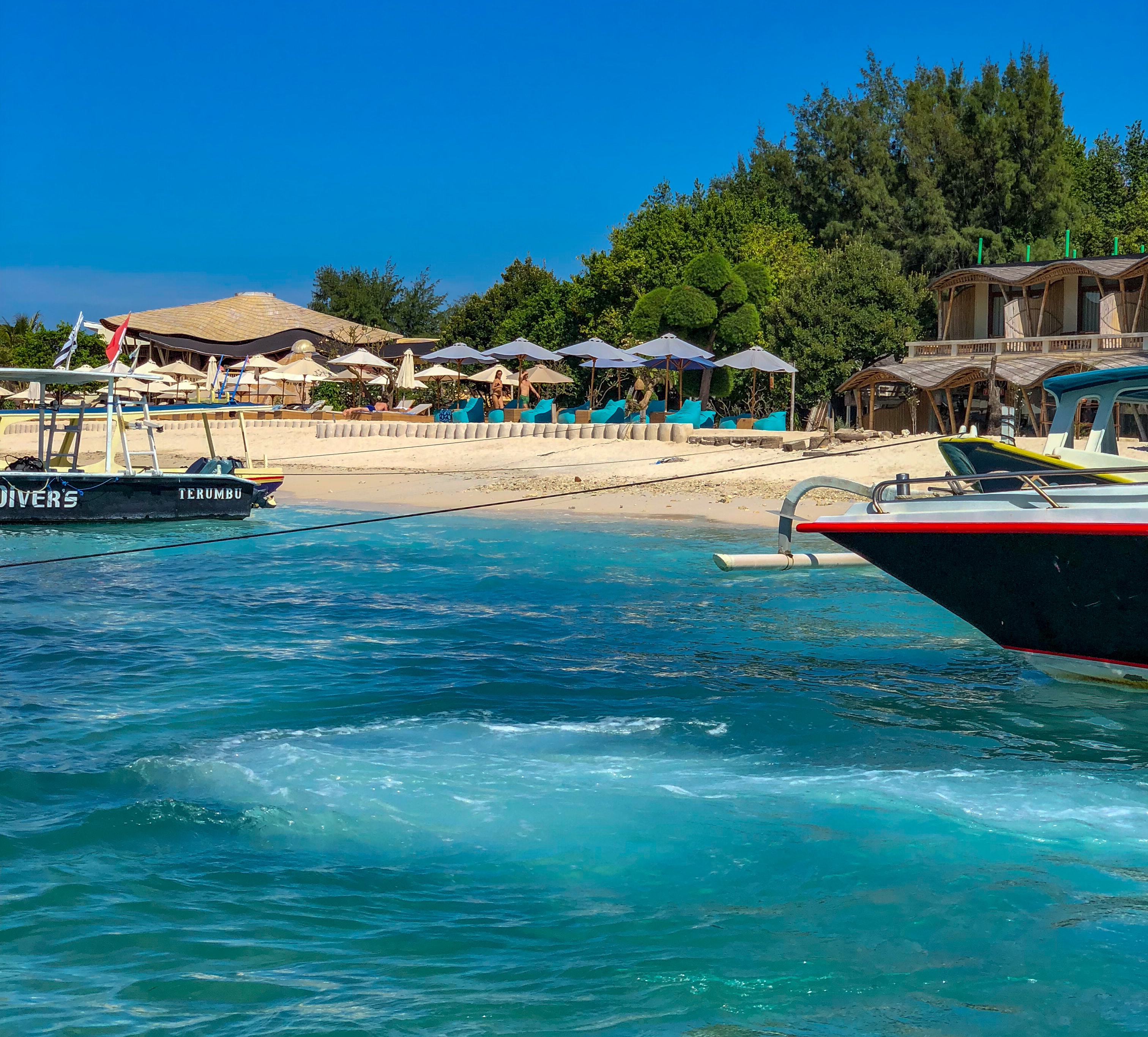
Photo Gallery: Lombok Through Our Lens
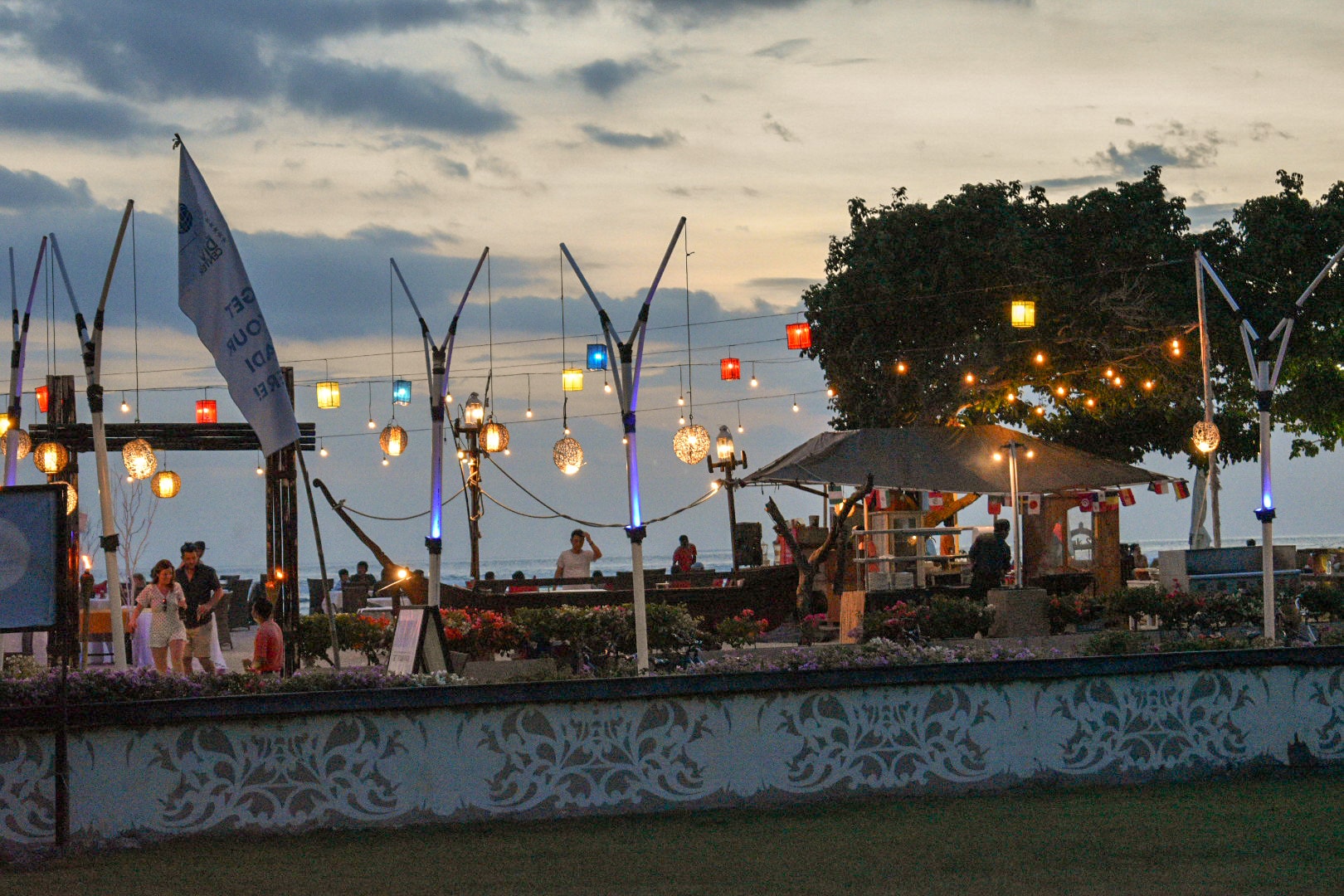
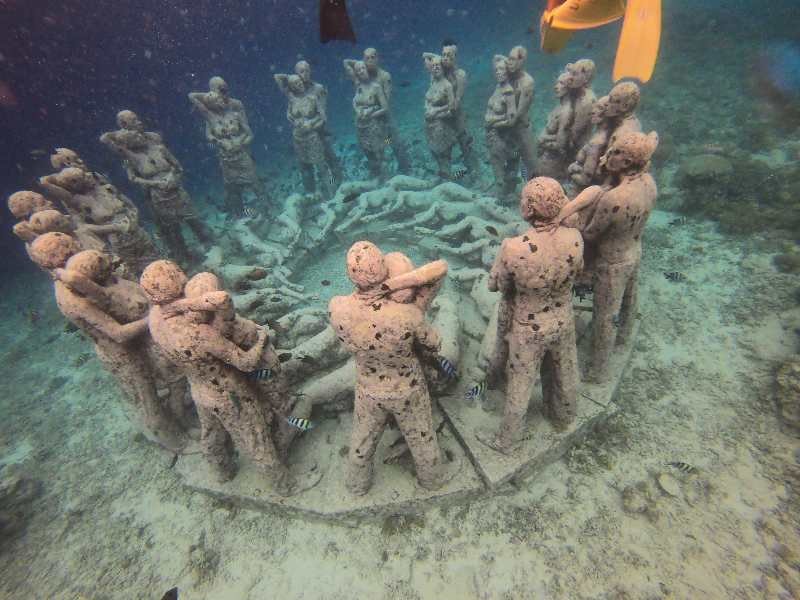
These are our own shots from the ground — the Gili Islands, the reefs, the waterfalls, and the moments that make Lombok worth every hour of the journey.
Final Thoughts
Lombok is the answer to a question that every traveller in Southeast Asia eventually asks: where do I go when everywhere I want to go has already been discovered? The answer, for now, is here.
The beaches are as beautiful as Bali's were before the crowds arrived. The volcano is one of the finest trekking destinations in the region. The Sasak culture is genuine, welcoming, and unlike anything else in Indonesia. And the food — spicy, smoky, halal by default — is some of the best you will eat anywhere in the archipelago.
Lombok will not stay this way forever. The south coast is developing. The Gili Islands are busier every year. But the island still has that quality that is increasingly rare in Southeast Asia: the sense that you are somewhere real, somewhere that has not yet been smoothed into a version of itself designed for visitors.
Go now. Go slowly. And eat the ayam taliwang.
Use our trip planner to build a personalised Lombok itinerary based on your travel style and budget.
Explore Topics
Written by
MyTravelTip2U
Content creator and writer sharing insights and stories.