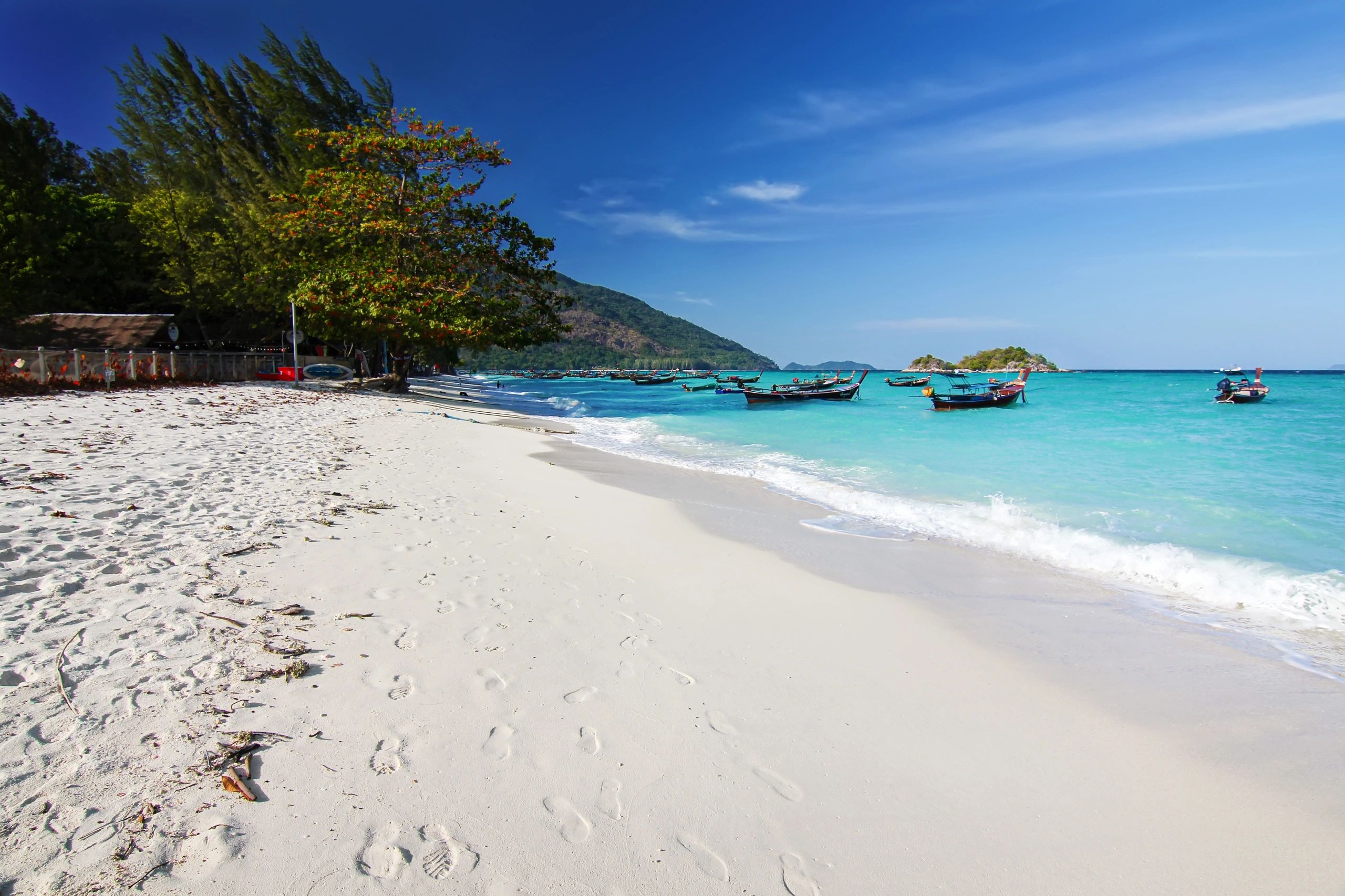
Koh Lipe Travel Guide: Thailand\'s Most Beautiful Island Secret
Three perfect beaches, world-class diving, bioluminescent plankton, and almost no crowds — your complete guide to Koh Lipe with budget tips, best resorts, and how to get there from Malaysia.
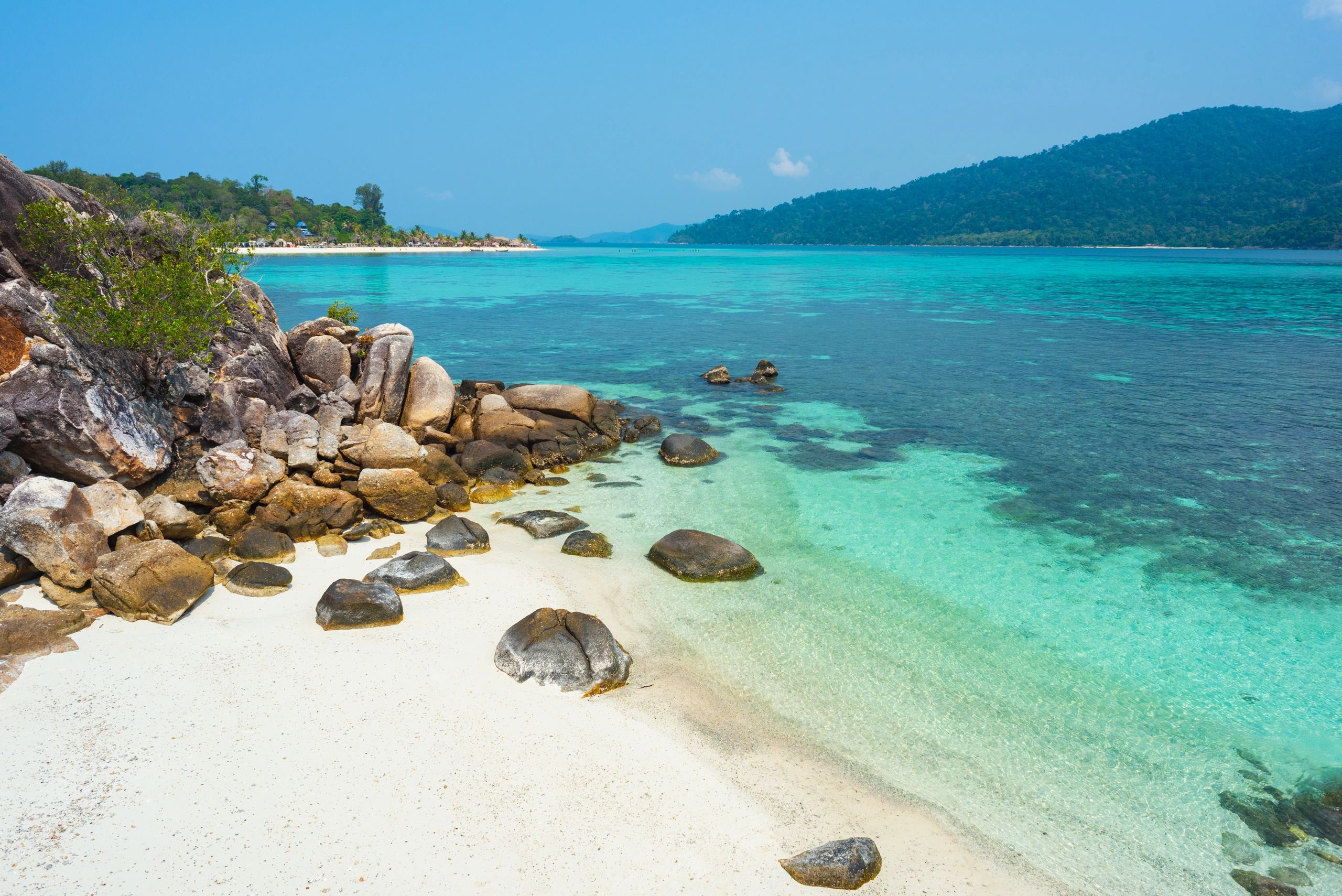
There is a moment on Koh Lipe — standing on Sunrise Beach at 6am, the sky turning pink over the Andaman Sea, the water so clear you can see the sand shifting beneath the surface — when you realise you have found one of the last truly unspoiled islands in Southeast Asia. No high-rises. No traffic. No crowds. Just powder-white sand, turquoise water, and the kind of silence that feels like a reward for making the effort to get here.
Koh Lipe sits inside the Tarutao Marine National Park in Thailand's deep south, just 45 minutes by speedboat from Langkawi, Malaysia. Most travellers never make it this far south — and that is precisely what makes it so special. The island is tiny enough to walk across in 20 minutes, yet the underwater world surrounding it rivals the Maldives at a fraction of the cost.
Here is everything you need to plan the perfect trip.
The Three Beaches: Which One Is Right for You?
Koh Lipe has three distinct beaches, each with its own character. Understanding the difference will shape your entire trip.
Sunrise Beach — The Best Beach in Thailand's South
Sunrise Beach is the jewel of Koh Lipe — a long, gently curving stretch of powder-white sand on the island's east side, facing the open Andaman Sea. The water is shallow, impossibly clear, and calm enough for swimming at almost any time of year during the dry season. The sand is the fine, squeaky kind that stays cool even in the midday heat.
This is where the best resorts are, where couples come for honeymoons, and where you should be at 6am when the sky turns every shade of orange and pink. It is also where the house reef begins — wade in from the beach and within minutes you will be swimming with sea turtles and clownfish in water you can see 15 metres through.
Best for: Couples, snorkellers, sunrise chasers, and anyone who wants the most beautiful beach on the island.
Pattaya Beach — The Family-Friendly Hub
Pattaya Beach faces west and is the most sheltered and accessible beach on the island. The water is the calmest here — perfect for children and nervous swimmers — and the beach is lined with longtail boats, dive shops, and the island's main pier. Most of the budget accommodation is within walking distance.
The beach itself is slightly narrower than Sunrise, and the longtail boat traffic means it is not quite as pristine, but it is lively, convenient, and the best base for exploring the rest of the island. Walking Street — the island's social spine — connects Pattaya Beach to Sunrise Beach through the middle of the island.
Best for: Families, first-time visitors, budget travellers, and anyone who wants to be close to the action.
Sunset Beach — The Hidden One
Sunset Beach is on the island's northwest corner, separated from Pattaya Beach by a rocky headland. It is the smallest and quietest of the three beaches — a short, intimate stretch of sand with a handful of bungalows and one or two restaurants. The name tells you everything: this is where you come in the late afternoon to watch the sun drop into the sea, with longtail boats silhouetted against the orange sky.
After dark, Sunset Beach is one of the best spots on the island to see bioluminescent plankton — the water glows electric blue with every movement, and there is rarely anyone else around.
Best for: Couples seeking seclusion, sunset watchers, and anyone who wants to escape the crowds.
Top Activities in Koh Lipe
Snorkelling the House Reef
You do not need to book a tour or rent a boat to experience Koh Lipe's best snorkelling. The house reef begins just metres from the beach at both Sunrise and Pattaya Beach — pull on a mask and fins (available to rent from any beach shack for THB 100–150) and wade in.
Within minutes you will be swimming over staghorn coral, brain coral, and sea fans in water so clear it feels like flying. Sea turtles are a near-daily sighting at the Sunrise Beach reef — they graze on the seagrass beds in the shallows and are remarkably unbothered by snorkellers. Clownfish, parrotfish, and the occasional reef shark are regular companions.
Practical info: The best snorkelling is in the morning before the wind picks up. Avoid touching the coral — it is fragile and recovering from past bleaching events. Reef-safe sunscreen only.
Scuba Diving at Tarutao Marine National Park
Koh Lipe's dive sites are among the best in Thailand — and because the island is inside a national park, the reefs are in significantly better condition than those around Phuket or Koh Samui. The water visibility regularly exceeds 20 metres, and the marine life density is extraordinary.
Top dive sites:
Stonehenge — A dramatic underwater rock formation covered in soft corals, with resident leopard sharks resting on the sandy bottom. One of the most photogenic dives in the park.
Turtle Rock — Named for the sea turtles that congregate here year-round. A shallow, accessible site that is excellent for beginners and underwater photographers.
Eight Mile Rock — A deeper site (18–30m) for more experienced divers, with strong currents that attract barracuda, trevally, and on lucky days, manta rays.
Ko Adang Wall — A vertical wall dive off the neighbouring island of Ko Adang, covered in sea fans and soft corals, with excellent visibility and regular sightings of reef sharks.
Most dive operators on the island offer PADI courses from Open Water (THB 9,000–12,000) to Divemaster. A two-dive fun dive trip costs THB 1,800–2,500 including equipment. Book through your resort or walk along Pattaya Beach where most dive shops are clustered.
Ko Adang & Ko Rawi Island Hopping
Koh Lipe is surrounded by uninhabited national park islands that most visitors never reach. A full-day longtail boat charter (THB 1,500–2,500 for the whole boat, split between your group) to Ko Adang and Ko Rawi is one of the best days you will have anywhere in Southeast Asia.
Ko Adang is the largest of the surrounding islands — a forested peak rising steeply from the sea, with freshwater streams running down to deserted beaches. The snorkelling off Ko Adang's southern shore is exceptional, and the short jungle walk to the island's viewpoint rewards with panoramic views across the entire archipelago.
Ko Rawi is smaller and even more remote — a single perfect beach with no facilities, no other visitors, and coral reefs that begin at the waterline. Bring your own food and water, and plan to spend a few hours doing absolutely nothing.
Practical tip: Arrange the boat the evening before through your resort or directly with the longtail boat operators at Pattaya Beach pier. Agree on a price, departure time, and which islands you want to visit. Most operators speak enough English to negotiate.
Bioluminescent Plankton Night Swim
On dark, moonless nights — particularly in the days around the new moon — the water around Koh Lipe glows electric blue with bioluminescent plankton. Every movement through the water triggers a flash of cold blue light: your hands, your feet, the wake of a passing fish. It is one of the most otherworldly natural experiences in Southeast Asia, and it costs nothing.
Walk to Sunset Beach or the quieter end of Sunrise Beach after 9pm, wade into the shallows, and move your hands through the water. The effect is most dramatic when the sky is completely dark — avoid nights with a full or near-full moon. No tour, no equipment, no booking required.
Walking Street Food & Nightlife
Walking Street is the sandy lane that cuts through the middle of the island from Pattaya Beach to Sunrise Beach. By day it is a quiet path past dive shops, guesthouses, and small restaurants. By evening it transforms into the social heart of the island — a lively strip of open-air restaurants, cocktail bars, fire shows, and reggae music that manages to be fun without being overwhelming.
The food on Walking Street is genuinely good. Fresh grilled seafood — whole fish, tiger prawns, squid, and clams — is cooked to order over charcoal. Thai curries, pad thai, and som tam are available at every other stall. A full dinner with drinks costs THB 200–400 per person. The fire shows start around 9pm and are worth watching at least once.
Local Food: What to Eat in Koh Lipe
Koh Lipe's food scene is small but surprisingly good — a mix of Thai, Thai-Malay, and fresh seafood that reflects the island's position on the border between two countries.
Grilled Seafood
The best meal you will have on Koh Lipe is almost certainly grilled seafood eaten at a beachfront restaurant on Sunrise Beach. The restaurants here buy directly from the fishing boats that arrive each morning — the fish, prawns, and squid are as fresh as it gets. A whole grilled fish with rice and a cold Singha costs THB 200–350. A seafood platter for two with drinks runs THB 600–1,000 at a mid-range beach restaurant.
Recommended: Daya Restaurant on Sunrise Beach is consistently the best for grilled seafood — the portions are generous, the fish is always fresh, and the beachfront tables at sunset are hard to beat.
Tom Yam and Thai Curries
Koh Lipe's proximity to the Malaysian border means the Thai food here has a slightly different character from what you find in Bangkok or Chiang Mai — spicier, more coconut-heavy, and with stronger Malay influences. The tom yam goong (spicy prawn soup) is excellent at most restaurants. Green and massaman curries are reliable staples.
Practical tip: The restaurants on Walking Street are cheaper than the beachfront spots on Sunrise Beach for the same quality of food. Walk the street before choosing — most restaurants display their menus and prices outside.
Roti and Thai Breakfast
Several small stalls near Pattaya Beach serve roti canai-style flatbread with curry sauce in the mornings — a legacy of the island's Thai-Malay cultural blend. Pair it with a glass of Thai iced tea (cha yen) for a breakfast that costs THB 60–80 and sets you up for a morning of snorkelling.
Fresh Fruit Shakes
Every other stall on Walking Street sells fresh fruit shakes blended to order — mango, watermelon, pineapple, and passion fruit are the best. THB 60–80 for a large cup. The mango shake at the stall near the middle of Walking Street is particularly good.
Coconut Ice Cream
A Thai street food classic that is especially welcome in the heat — coconut ice cream served in a half coconut shell, topped with peanuts, sweet corn, and sticky rice. Look for the carts near Pattaya Beach pier. THB 50–70.
Budget Breakdown: How Much Does Koh Lipe Cost?
Koh Lipe is more expensive than the Thai mainland — everything arrives by boat, which adds to the cost of accommodation, food, and supplies. That said, it is still significantly cheaper than comparable island destinations in the Maldives or the Philippines.
Budget Traveller (THB 1,200–2,000 per day / RM 150–250)
- Accommodation: Fan bungalow or basic air-con room near Pattaya Beach — THB 500–900/night
- Food: 3 meals at Walking Street stalls — THB 300–500/day
- Activities: Snorkelling from the beach (free), rented mask and fins — THB 100–150
- Drinks: Local beer at Walking Street bars — THB 80–120/beer
Mid-Range Traveller (THB 3,000–5,000 per day / RM 380–630)
- Accommodation: Air-con bungalow or mid-range resort — THB 1,500–2,500/night
- Food: Mix of Walking Street and beachfront restaurants — THB 600–1,000/day
- Activities: 2-dive fun dive trip — THB 1,800–2,500
- Transport: Longtail boat day trip to Ko Adang — THB 500–800/person (shared)
Luxury Traveller (THB 8,000–15,000+ per day / RM 1,000–1,900)
- Accommodation: Idyllic Concept Resort or Serendipity Beach Resort — THB 4,500–9,000/night
- Food: Resort dining and Sunrise Beach restaurants — THB 1,500–2,500/day
- Activities: Private longtail charter, PADI course, sunset cruise — THB 2,000–4,000
- Extras: Spa treatments, private snorkelling guide — THB 800–1,500
Money-saving tip: Bring all your cash from the mainland — there are no ATMs on Koh Lipe. Some resorts and dive shops accept credit cards but charge a 3–5% surcharge. Stock up on sunscreen, insect repellent, and any medication before you arrive — prices on the island are 2–3 times higher than the mainland.
Best Resorts and Where to Stay
Pattaya Beach — Best for Budget Travellers and Convenience
The most accessible location on the island, with the widest range of budget accommodation and easy access to Walking Street, dive shops, and the main pier.
Recommended:
- Porn Thip Resort (budget, THB 600–1,200/night) — Simple fan and air-con bungalows steps from Pattaya Beach. The best value on the island for location, with a friendly family-run atmosphere. Book directly with the resort.
- Wapi Resort (budget–mid, THB 900–1,800/night) — Comfortable bungalows near Walking Street, clean bathrooms, and a sociable vibe popular with divers and backpackers. Good breakfast included.
Sunrise Beach — Best for Couples and Beach Lovers
The most beautiful location on the island. Accommodation here is more expensive, but waking up 30 metres from Sunrise Beach is worth every baht.
Recommended:
- Idyllic Concept Resort (luxury, THB 4,500–9,000/night) — The most romantic resort on Koh Lipe. Boutique overwater villas and beachfront suites directly on Sunrise Beach, with a stunning infinity pool, exceptional service, and a restaurant that is genuinely good. Book 3–4 months ahead for December and January.
- Serendipity Beach Resort (luxury, THB 3,500–7,500/night) — Elegant hillside villas with panoramic sea views, a beautiful pool terrace, and direct access to one of the island's quietest beach stretches. The sunset views from the upper villas are extraordinary.
- Pooh's Bungalows (mid-range, THB 1,500–2,800/night) — Well-maintained bungalows with air-conditioning and hot water, a short walk from Sunrise Beach. Good value for the location and popular with repeat visitors.
Sunset Beach — Best for Seclusion
A handful of small resorts and bungalow operations on the island's quietest beach. If you want to be away from the crowds and close to the bioluminescent plankton, this is your spot.
Recommended:
- Sunset Beach Resort (mid-range, THB 1,200–2,500/night) — Simple but comfortable bungalows directly on Sunset Beach. The restaurant serves decent Thai food and the sunset views from the terrace are the best on the island.
Getting to Koh Lipe
Getting to Koh Lipe requires some planning — there are no airports on the island, and all access is by boat. The journey is part of the experience.
From Langkawi, Malaysia (Recommended)
The Langkawi to Koh Lipe speedboat is the most popular route for travellers combining Malaysia and Thailand — and one of the most memorable border crossings in Southeast Asia. You board the boat at Langkawi's Jetty Point, clear Malaysian immigration, and 45 minutes later you arrive at Koh Lipe's beach, where Thai immigration officers stamp your passport in the sand.
Operators: Tigerline Ferry and Bundhaya Speed Boat both run this route. Ferries depart Langkawi at approximately 9:30am and 3:00pm (seasonal — check current schedules). One-way tickets cost RM 85–120 (approximately THB 700–1,000).
Book in advance during December–February peak season — the boats fill up quickly and there is no other way to get here if you miss the last departure.
From Pak Bara Pier, Thailand
Pak Bara is the main mainland departure point for Koh Lipe. Speedboats depart at 9:30am, 11:30am, and 1:30pm (THB 750, 1.5 hours). The last boat is at 1:30pm — if you miss it, you will need to overnight in Pak Bara or the nearby town of La-Ngu.
Getting to Pak Bara from Hat Yai: Shared minivans run from Hat Yai bus terminal and airport to Pak Bara throughout the morning (THB 200, 1.5 hours). Book through your guesthouse or at the terminal.
Getting to Pak Bara from Kuala Lumpur: Fly to Hat Yai International Airport (HDY) with AirAsia, Firefly, or Malaysia Airlines (1 hour 20 minutes, from RM 180). Take a minivan to Pak Bara, then the ferry to Koh Lipe. Total journey time from KLIA: approximately 4.5–5 hours.
From Bangkok by Overnight Train
The overnight sleeper train from Bangkok to Hat Yai (departs Hua Lamphong or Bang Sue Grand Station around 5–7pm, arrives 7–9am) is a comfortable and affordable way to travel south. Second-class air-con sleepers cost THB 700–900 and are a great way to save on a night's accommodation. From Hat Yai, take a minivan to Pak Bara and the morning ferry.
Book train tickets at least 2 weeks ahead via the State Railway of Thailand website or 12Go.Asia — sleeper berths sell out quickly during peak season.
Insider Tips for First-Time Visitors
1. There are no ATMs on the island. This is the most important thing to know before you arrive. Bring all the Thai Baht you will need for your entire stay — accommodation, food, activities, and emergencies. The nearest ATM is in Pak Bara on the mainland. Some resorts and dive shops accept cards but charge a 3–5% fee.
2. The island closes for the monsoon. Koh Lipe shuts down almost entirely from mid-May to mid-October. Most resorts, restaurants, and dive shops close, and boat services stop running. Always confirm your travel dates are within the open season before booking anything.
3. Book accommodation early for peak season. December, January, and February are the busiest months. The best resorts on Sunrise Beach sell out 3–4 months in advance. If you are planning a Christmas or New Year trip, book as soon as you have your dates confirmed.
4. The Langkawi route is the best way to arrive. If you are travelling from Malaysia, the Langkawi–Koh Lipe speedboat is not just the most convenient option — it is genuinely one of the most enjoyable ways to cross a border anywhere in the world. Arrive at Koh Lipe by sea, clear immigration on the beach, and you are immediately in paradise.
5. Bring reef-safe sunscreen. The reefs around Koh Lipe are inside a national park and are actively recovering from past bleaching events. Standard sunscreen contains chemicals that damage coral. Reef-safe alternatives are available on the island but cost 3–4 times more than the mainland. Bring your own.
6. The bioluminescence is best around the new moon. If seeing the bioluminescent plankton is on your list, time your visit around the new moon when the sky is darkest. Check a lunar calendar before booking — the effect is dramatically reduced on nights with a bright moon.
7. Hire a longtail for the day. The best way to experience the archipelago is to hire a longtail boat for a full day and island-hop at your own pace. Negotiate directly with the boat operators at Pattaya Beach pier the evening before. THB 1,500–2,500 for the whole boat (split between your group) gets you a full day visiting Ko Adang, Ko Rawi, and the outer reefs.
8. Walking Street gets busy after 7pm. If you want a quiet dinner, eat early (before 7pm) or head to the beachfront restaurants on Sunrise Beach. Walking Street is lively and fun, but the narrow lane gets genuinely crowded during peak season.
9. Respect the national park rules. Koh Lipe is inside Tarutao Marine National Park. Do not take coral, shells, or any marine life from the water. Do not anchor boats on the reef. Do not feed the fish. The park's health is what makes Koh Lipe special — treat it accordingly.
10. Sunrise Beach at dawn is non-negotiable. Set your alarm for 5:45am on at least one morning. Walk to Sunrise Beach before the sun comes up, find a spot on the sand, and watch the sky turn pink and orange over the Andaman Sea. It is one of the most beautiful things you will see anywhere in Southeast Asia, and it costs nothing.
Best and Worst Times to Visit Koh Lipe
Koh Lipe's season is strictly defined by the monsoon — get the timing wrong and you will find a closed island.
Best Months to Visit
November to February — Peak Season (Best Conditions)
This is Koh Lipe at its finest. The northeast monsoon brings dry, sunny weather to the Andaman coast, with calm seas, excellent visibility for diving and snorkelling, and temperatures around 28–32°C. December and January are the busiest months — the island fills up with travellers from Europe, Australia, and Malaysia, and the atmosphere on Walking Street is lively and fun.
The downside: accommodation prices are at their highest, the best resorts sell out months in advance, and the island can feel crowded by Koh Lipe standards (which is still quiet by Phuket standards). Book everything well ahead.
March and April — Shoulder Season (Best Value)
The transition period between the dry season and the monsoon. Weather in March and April is generally excellent — warm, mostly sunny, with occasional afternoon showers that clear quickly. The crowds thin out after February, hotel rates drop by 20–40%, and you get most of the good weather without the peak season prices. The snorkelling and diving are still excellent.
May — Last Chance
May is the final month before the island closes. The weather is increasingly unpredictable — some days are beautiful, others bring heavy rain and rough seas. Prices are at their lowest, and the island is very quiet. A good option if you are flexible and do not mind the risk of bad weather.
Worst Months to Visit
Mid-May to Mid-October — Closed Season
Koh Lipe effectively shuts down during the southwest monsoon. The national park closes boat services to the island, most resorts and restaurants close entirely, and the few that remain open do so at reduced capacity. The seas are rough, the weather is wet, and there is very little to do. Do not plan a trip during this period.
Month-by-Month Quick Reference
| Month | Weather | Crowds | Verdict |
|---|---|---|---|
| Nov | Dry, sunny | Moderate | Very Good — good value |
| Dec | Dry, sunny | Very High | Excellent — book far ahead |
| Jan | Dry, sunny | Very High | Excellent — book far ahead |
| Feb | Dry, sunny | High | Excellent |
| Mar | Mostly dry | Moderate | Very Good — best value |
| Apr | Occasional showers | Low | Good value |
| May | Increasing rain | Very Low | Risky — last chance |
| Jun–Oct | Monsoon | Closed | Do not visit |
Final Thoughts
Koh Lipe is one of those rare places that lives up to its reputation — and then exceeds it. The beaches are as beautiful as the photographs suggest. The diving is as good as the dive operators claim. The bioluminescent plankton is as magical as it sounds. And the fact that most travellers never make it this far south means you get to experience all of it without the crowds that have overwhelmed so many of Thailand's other islands.
The effort required to get here — the flights, the minivan, the ferry, the border crossing on the beach — is not a deterrent. It is a filter. The people who make it to Koh Lipe are the ones who wanted to be there badly enough to figure it out. And once you arrive, you will understand immediately why they did.
Give yourself at least four days. Five is better. And if you find yourself extending your stay, do not be surprised — it happens to almost everyone.
Use our trip planner to build a personalised Koh Lipe itinerary based on your travel style and budget.
Explore Topics
Written by
MyTravelTip2U
Content creator and writer sharing insights and stories.