Pulau Tioman Travel Guide: Jungle, Coral & the Island That Time Forgot
Crystal-clear water, world-class snorkelling, jungle waterfalls, and one of Malaysia\'s most beautiful islands — your complete guide to Pulau Tioman.

In 1958, Time magazine named Pulau Tioman one of the most beautiful islands in the world. More than six decades later, the island has not lost the qualities that earned that distinction. The granite peaks of Gunung Kajang and Gunung Nenek Semukut rise dramatically from the jungle interior. The water around the island is some of the clearest in the South China Sea. The coral reefs are alive and largely intact. And the island itself — with its small kampung villages, its jungle waterfalls, and its unhurried pace — feels genuinely removed from the mainland in a way that few Malaysian islands still do.
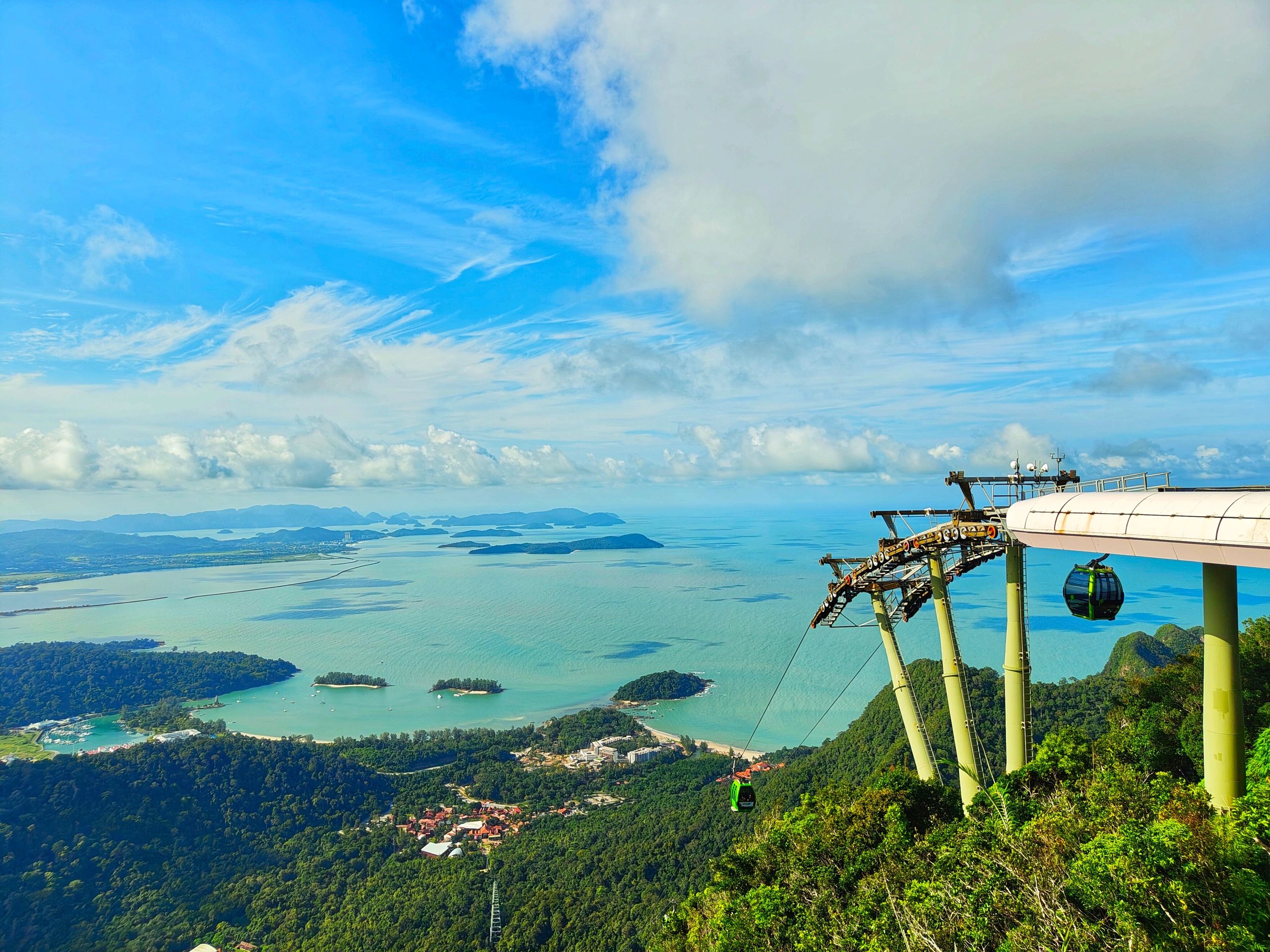
Tioman is not Langkawi. There is no cable car, no duty-free shopping, no resort strip. What there is: exceptional snorkelling and diving, a cross-island jungle trek that is one of the best day hikes in Pahang, beaches that range from busy and social to completely deserted, and an atmosphere that rewards those who slow down and stay a few days longer than they planned.
Understanding Pulau Tioman
Tioman is a large island — 39 km long and 12 km wide — with a mountainous jungle interior and a series of small kampung villages scattered along the coast. There are no roads connecting the villages; transport between them is by boat (the island ferry service) or on foot through the jungle.
Tekek is the main village and the location of the ferry terminal. It has the most accommodation, the most restaurants, and the island's only airport (served by Berjaya Air from KL and Singapore). Most first-time visitors base themselves here.
Air Batang (ABC) is the backpacker hub — a long beach lined with budget chalets, dive shops, and casual restaurants. Lively, social, and great for meeting other travellers.
Salang is the northernmost village and the most remote of the main settlements. Quieter than ABC, with excellent snorkelling directly off the beach and a more relaxed atmosphere.
Juara is on the east coast — the quiet side of the island, accessible by jungle trek or boat. A long, curved beach with almost no development, calm water, and a completely different atmosphere from the west coast villages.
Nipah, Paya, and Genting are smaller villages on the south coast, popular with families and those seeking a quieter experience.
Top Attractions & Activities
Snorkelling
Tioman's snorkelling is among the best in Peninsular Malaysia. The water is clear, the coral is healthy, and the marine life is abundant — reef fish, sea turtles, blacktip reef sharks, and the occasional leopard shark resting on the sandy bottom.
Best snorkelling spots:
Coral Island (Pulau Tulai) — A small uninhabited island 20 minutes by boat from Tekek, surrounded by some of the best coral in the Tioman Marine Park. The water is shallow, clear, and teeming with fish. Blacktip reef sharks are commonly seen in the shallows. Most snorkelling tours include a stop here.
Renggis Island — A small island just off the Berjaya Tioman Resort jetty, accessible by a short swim or kayak from the beach. Excellent coral and fish life, including large schools of fusiliers and the occasional turtle.
Salang Beach — The reef directly off Salang beach is one of the most accessible snorkelling spots on the island — wade in from the beach and the coral starts within 50 metres. Best in the morning before the afternoon wind picks up.
Tiger Reef — A deeper reef site (3–8 metres) accessible by boat, known for its large fish and the occasional leopard shark. Best visited with a guide.
Practical info: Snorkelling gear rental RM 15–25/day. Snorkelling boat tours RM 50–80 per person for a half-day trip visiting 3–4 sites.
Scuba Diving
Tioman is a popular dive destination with over 20 dive sites around the island. The diving is not as dramatic as Sipadan or the Perhentians, but the variety of sites — from shallow coral gardens to deeper walls and wrecks — makes it a good destination for both beginners and experienced divers.
Top dive sites:
Labas Island — A small island off the north coast with a wall dive dropping to 25 metres, excellent soft coral, and frequent sightings of turtles and reef sharks.
Chebeh Island — A cluster of granite boulders covered in hard and soft coral, with strong currents that attract large pelagic fish. An advanced site best dived at slack tide.
Tiger Reef — A shallow reef (3–15 metres) with excellent visibility and a resident population of leopard sharks. A good site for Open Water students.
The Wreck of the Soyak — A small cargo vessel sunk in 1983 as an artificial reef. Now encrusted with coral and home to a large population of lionfish, moray eels, and batfish. Depth 18–22 metres.
Practical info: PADI Open Water course RM 800–1,000. Fun dives RM 80–120 per dive. Most dive operators are based in Tekek and ABC.
The Cross-Island Trek (Tekek to Juara)
The jungle trek from Tekek on the west coast to Juara on the east coast is one of the best day hikes in Pahang — a 7 km trail through primary rainforest that crosses the island's mountainous spine and descends to the beautiful east coast beach at Juara.
The trail starts at the back of Tekek village and climbs steeply through dense jungle for the first 2 km before levelling out at a ridge. The descent to Juara is gentler, passing through secondary forest and emerging at the northern end of Juara beach. The total hike takes 2–3 hours at a moderate pace.
What to expect on the trail: The jungle is alive — gibbons call from the canopy, hornbills fly overhead, and monitor lizards cross the path. The trail passes a small waterfall about halfway across that is perfect for a cooling swim. The descent to Juara offers views of the east coast and the South China Sea.
Practical info: Start early (before 8am) to avoid the midday heat. Bring at least 2 litres of water, snacks, and insect repellent. Wear trail shoes or sturdy sandals — the trail is muddy after rain. Return to Tekek by boat from Juara (RM 30–40 per person, boats run throughout the day).
Waterfall Trekking
Several waterfalls are accessible from the main villages by short jungle treks.
Asah Waterfall — The most impressive waterfall on the island, a 30-metre cascade accessible by a 20-minute walk from Genting village. The pool at the base is deep enough to swim in. Best visited in the morning before tour groups arrive.
Tekek Waterfall — A smaller waterfall accessible by a 15-minute walk from Tekek village. A good option for those who want a taste of the jungle without committing to the full cross-island trek.
Kayaking and Paddleboarding
The calm, clear water around Tioman is ideal for kayaking and paddleboarding. Rent a kayak from any of the main beaches and paddle along the coast, exploring the small coves and rocky headlands between villages. The stretch between ABC and Tekek is particularly scenic — clear water, granite boulders, and jungle coming down to the sea.
Practical info: Kayak rental RM 20–40/hour. Paddleboard rental RM 30–50/hour.
Travel by Style
For Snorkellers and Divers
Tioman is one of the best value snorkelling and diving destinations in Malaysia. The marine park fee (RM 30/person) covers unlimited snorkelling in the protected waters around the island. Coral Island (Pulau Tulai) is the highlight — book a morning snorkelling tour on your first day and use the rest of your time exploring the reefs directly off the beaches. For divers, the variety of sites suits all levels, and the dive operators are professional and well-equipped.
For Hikers and Nature Lovers
The cross-island trek to Juara is the highlight for active travellers — a genuine jungle experience through primary rainforest with wildlife, a waterfall swim, and the reward of Juara beach at the end. Combine it with a boat trip back to Tekek and a sunset at ABC for a perfect day. The island's interior is largely unexplored — ask at your guesthouse about guided jungle walks to see more of the forest.
For Couples
Tioman's most romantic setting is Juara — the quiet east coast beach with its long curve of sand, calm water, and almost no development. Stay at least one night on the east coast. The cross-island trek makes for a memorable shared adventure, and the snorkelling at Coral Island is spectacular. For accommodation, the mid-range chalets at Salang and ABC offer the best combination of comfort and atmosphere.
For Budget Travellers
Tioman is one of the most affordable island destinations in Malaysia. Budget chalets at ABC and Salang start from RM 50–80/night for a simple room with fan and private bathroom. Food is cheap — nasi goreng, grilled fish, and fresh coconut are available at every warung for RM 8–15. The marine park fee covers snorkelling, and the cross-island trek costs nothing. A comfortable budget trip to Tioman is entirely achievable for RM 100–150/day all-in.
For Families
Tioman is excellent for families with children who can swim. The calm, shallow water at Paya and Genting on the south coast is ideal for young children. The snorkelling at Renggis Island is accessible and spectacular — children who have never snorkelled before are invariably amazed by the fish and coral. The Asah Waterfall is a fun half-day excursion. Avoid the busy ABC beach for families with young children — the current can be strong.
Where to Stay
Salang Pusaka Resort (RM 80–180/night) — A well-run resort at the northern end of Salang beach with comfortable chalets, a good restaurant, and a dive centre. Excellent snorkelling directly off the beach. One of the best mid-range options on the island.
Bamboo Hill Chalets, ABC (RM 60–120/night) — Charming wooden chalets on the hillside above ABC beach, with sea views and a relaxed atmosphere. The most characterful budget accommodation on the island. Book well in advance — it fills up quickly.
Berjaya Tioman Resort (RM 350–700/night) — The island's only full-service resort, with a private beach, swimming pool, golf course, and water sports centre. The rooms are comfortable but the resort feels slightly dated. Worth it for the facilities and the convenience of having everything in one place.
Juara Mutiara Resort (RM 80–150/night) — Simple chalets on Juara beach, the best base for the east coast experience. The beach is beautiful, the water is calm, and the atmosphere is completely different from the west coast. A good choice for a night or two as part of a longer Tioman stay.
Japamala Resort (RM 600–1,200/night) — The most luxurious accommodation on the island, with treehouse villas perched above the jungle canopy and overwater chalets above the sea. Exceptional design, exceptional service, and an exceptional price tag. Worth it for a special occasion.
Local Food
Tioman's food scene is simple but satisfying. Every village has a handful of restaurants and warungs serving standard Malaysian fare — nasi goreng, mee goreng, grilled fish, and fresh seafood.
What to eat:
Grilled seafood — The freshest fish, prawns, and squid, grilled over charcoal and served with rice and sambal. Order at any of the beachside restaurants in the evening. The fish is caught the same day.
Nasi lemak — The Malaysian breakfast staple is available at most warungs from 7am. Simple, filling, and delicious.
Fresh coconut — Available at most beaches for RM 3–5. Essential in the heat.
Ikan bakar (grilled fish) — The specialty of the island restaurants. Order by weight, choose your fish from the display, and specify your preferred sauce (sweet soy, chilli, or butter garlic).
Budget Breakdown
| Category | Budget | Mid-Range | Splurge |
|---|---|---|---|
| Accommodation | RM 50–80/night | RM 120–250/night | RM 500–1,200/night |
| Food | RM 30–50/day | RM 60–100/day | RM 150–300/day |
| Activities | RM 50–80/day | RM 100–200/day | RM 200–400/day |
| Ferry (Mersing return) | RM 70–90 | RM 70–90 | RM 70–90 |
| Daily total | RM 100–150 | RM 200–350 | RM 600–1,200 |
Insider Tips
- Book the morning ferry from Mersing. The ferry schedule from Mersing is tide-dependent and can change at short notice. Check the schedule the day before and arrive at the jetty at least 30 minutes early. The first ferry of the day (usually 7am–8am) is the most reliable.
- The marine park fee (RM 30/person) is mandatory and covers all snorkelling in the protected waters. Pay at the jetty on arrival.
- Avoid visiting during school holidays (June, August, November–December) — the island gets crowded and accommodation books out weeks in advance.
- The best time to snorkel is in the morning — the water is calmest, the visibility is best, and the fish are most active before the afternoon wind picks up.
- Bring cash. There is one ATM on the island (in Tekek) and it is frequently out of service. Bring enough cash from the mainland for your entire stay.
- The cross-island trek is best done west to east (Tekek to Juara) — the climb is steeper from the west, which means you get the hard part done in the cool of the morning and arrive at Juara beach in time for a swim and lunch.
- Mosquitoes are active at dawn and dusk — bring repellent and use it. Dengue fever is present in Malaysia; take precautions.
- The island shuts down between November and February — most accommodation and restaurants close during the northeast monsoon. Check before travelling in this period.
Photography Highlights
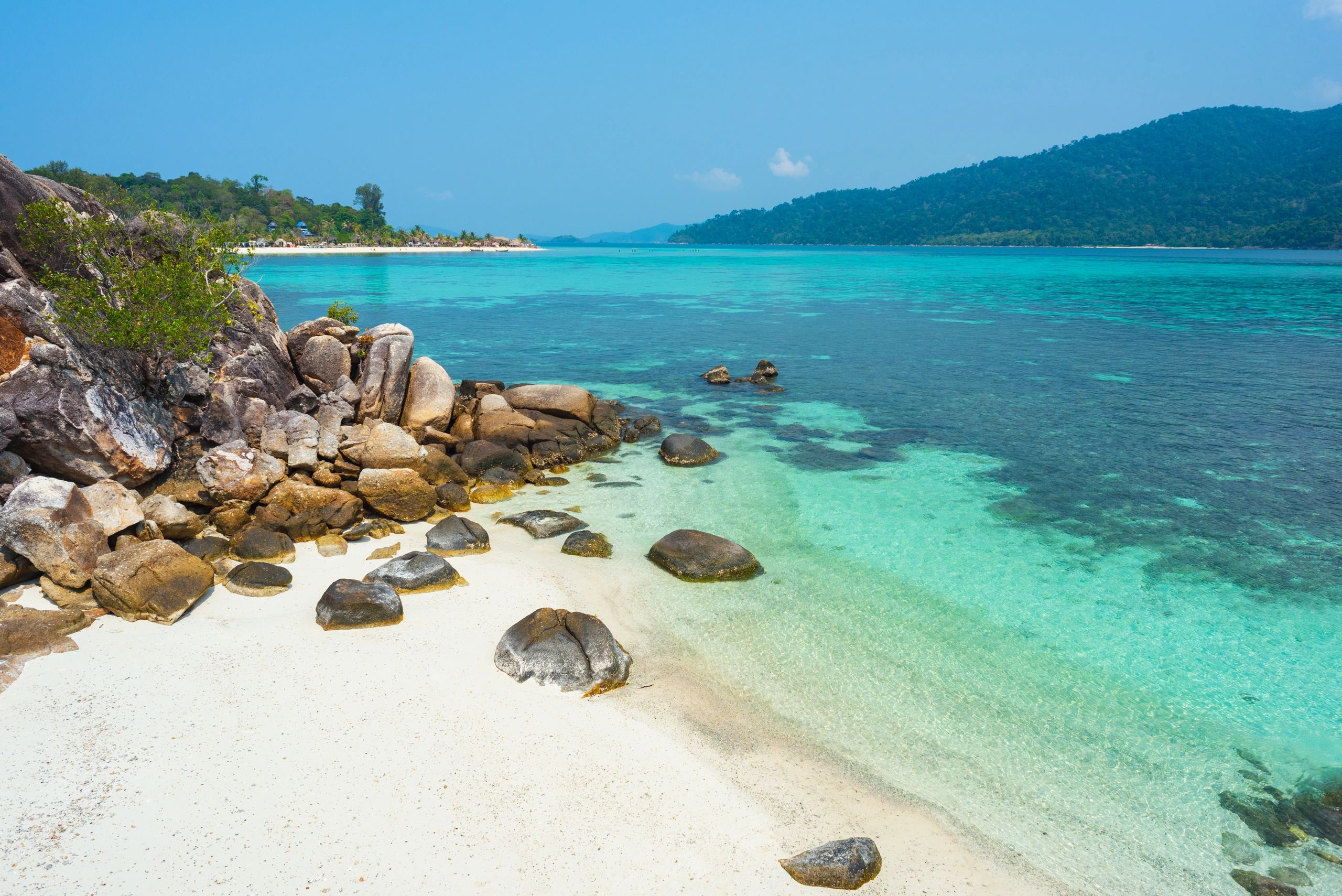
Coral Island (Pulau Tulai) — The combination of white sand, turquoise water, and the granite peaks of Tioman in the background makes for one of the most beautiful island photographs in Malaysia. Best light: morning, with the sun behind you shooting toward the island.
The cross-island trek — The jungle canopy, the waterfall, and the first view of Juara beach from the ridge are all exceptional photography subjects. Bring a waterproof case for your phone — the trail is wet.
Sunset from ABC beach — The west-facing beach at Air Batang catches the full sunset over the South China Sea. The silhouettes of the fishing boats against the orange sky are a classic Tioman image.
Underwater — The coral and fish life around Tioman are spectacular. A waterproof phone case or an underwater camera housing opens up a completely different set of images. The blacktip reef sharks at Coral Island are particularly photogenic.
Best and Worst Times to Visit
Best time: March to October. The southwest monsoon brings calm seas and good visibility to the west coast. April to June is ideal — the water is at its clearest, the coral is at its most colourful, and the island is not yet crowded with school holiday visitors.
Shoulder season: February and early March. The tail end of the northeast monsoon — some rain and occasional rough seas, but the island is quiet and accommodation is easy to find.
Worst time: November to January. The northeast monsoon brings heavy rain, rough seas, and strong winds to the east coast of Peninsular Malaysia. Most accommodation on Tioman closes during this period. Do not plan a trip to Tioman between November and January.
Getting There
By ferry from Mersing, Johor (2–4 hours depending on tide): The main gateway to Tioman. Ferries run several times daily during the season (March–October). Mersing is 4 hours from KL by bus (from TBS) or 2.5 hours from JB. Ferry tickets RM 35–45 one way.
By ferry from Tanjung Gemok, Pahang (1.5–2 hours): A faster crossing from the Pahang coast, closer to KL (3 hours by bus from TBS). Fewer departures than Mersing but a shorter crossing.
By air from KL or Singapore: Berjaya Air operates flights from Subang Airport (KL) and Seletar Airport (Singapore) to Tioman Airport. Flights take approximately 45 minutes. Check the Berjaya Air website for current schedules — the service is seasonal.
Final Thoughts
Pulau Tioman rewards those who stay long enough to find their rhythm. The first day is logistics — the ferry, the check-in, the orientation. The second day is exploration — the snorkelling, the beach, the first evening meal of grilled fish. By the third day, you have slowed down enough to notice the details: the hornbills in the trees above the beach, the way the light changes on the water in the late afternoon, the sound of the jungle at night.
Stay at least three nights. Do the cross-island trek. Snorkel at Coral Island. Eat grilled fish on the beach. And resist the urge to check your phone.
Explore Topics
Written by
MyTravelTip2U
Content creator and writer sharing insights and stories.