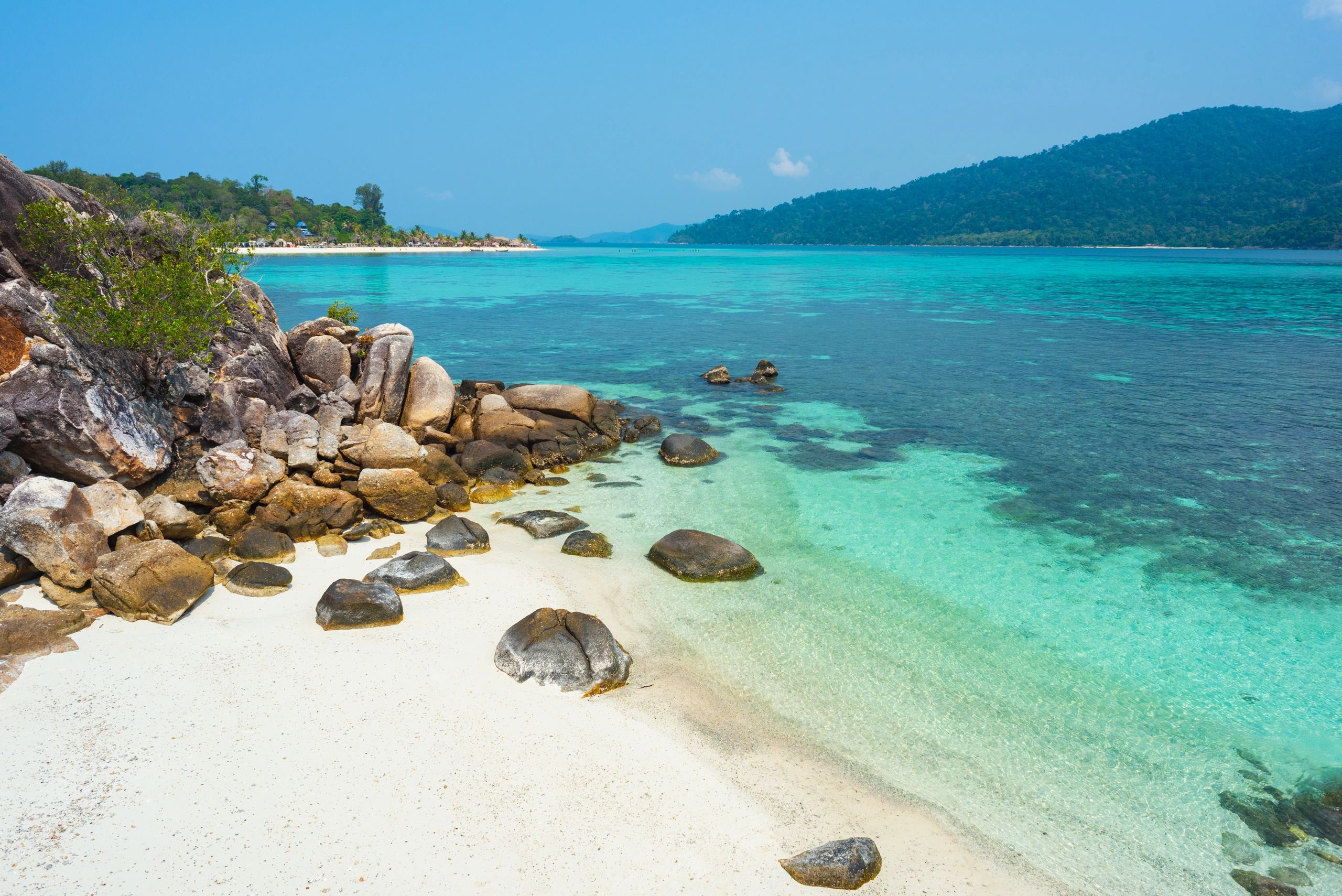
Pulau Perhentian Travel Guide: Malaysia Best-Kept Island Secret
Sea turtles, blacktip reef sharks, crystal-clear water, and RM 60 chalets — your complete guide to the Perhentian Islands with budget tips and when to visit.
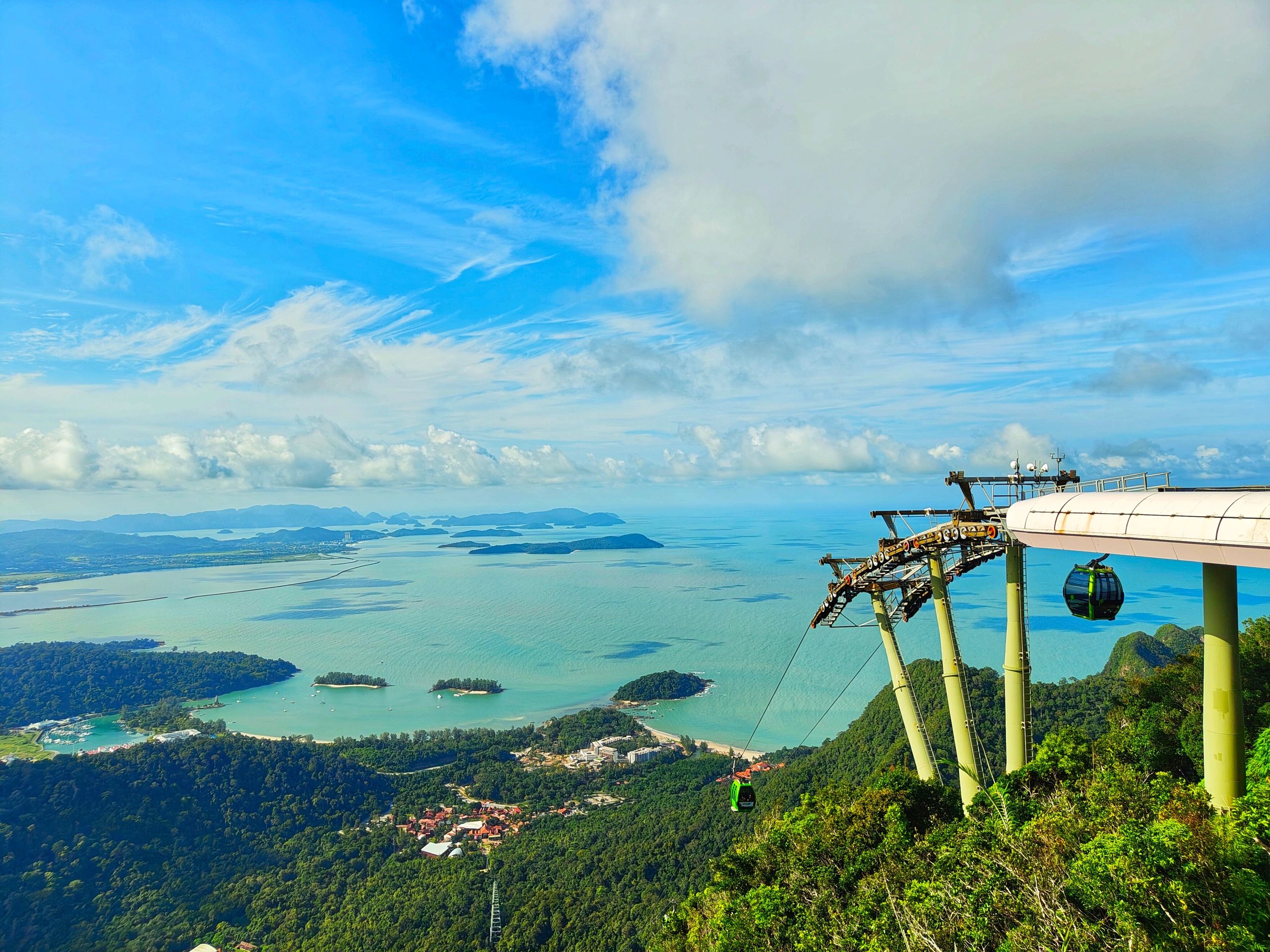
There is a moment on the boat from Kuala Besut Jetty when the mainland disappears behind you and the Perhentian Islands come into view — two green humps rising from water so impossibly blue it looks like someone turned up the saturation. That is when you understand why travellers who discover the Perhentians keep coming back, year after year, telling almost no one.
Pulau Perhentian Besar (Big Island) and Pulau Perhentian Kecil (Small Island) sit off the northeast coast of Terengganu, about 21 kilometres from the mainland. They are a protected marine park, home to blacktip reef sharks, green and hawksbill turtles, vibrant coral gardens, and some of the clearest water in Southeast Asia. And unlike Langkawi or Redang, they have managed to stay genuinely affordable — a beachfront chalet, three meals, and a full day of snorkelling can still be done for under RM 150.
No ATMs. Limited electricity. Slow internet. It is one of the best places in Malaysia.
The Two Islands: Besar vs Kecil
Before you book anything, you need to decide which island to base yourself on. They are only a short water taxi ride apart, but they attract very different crowds.
Perhentian Kecil (Small Island) — For Backpackers and Budget Travellers
Despite the name, Kecil is the more lively of the two. Long Beach on the east coast is the social hub of the Perhentians — a long stretch of white sand lined with budget chalets, dive shops, and beach bars that host bonfires most nights. Coral Bay on the west side is calmer and better for swimming, with a more relaxed atmosphere.
Kecil is where most backpackers and younger travellers stay. Accommodation is cheaper, the food stalls are more casual, and the vibe is more communal. The jungle trail connecting Long Beach and Coral Bay takes about 45 minutes and is one of the best short walks on the islands.
Best for: Budget travellers, backpackers, solo travellers, younger crowd, social atmosphere.
Perhentian Besar (Big Island) — For Couples and Families
Besar is quieter, more spread out, and home to the islands' only proper resorts. The beaches are less crowded, the accommodation is more comfortable, and the pace is slower. It is the better choice for couples, families, and anyone who wants a proper beach holiday rather than a backpacker experience.
The snorkelling directly off the beaches of Besar is excellent — particularly at Turtle Beach and D'Lagoon, which is one of the most beautiful sheltered bays in Malaysia.
Best for: Couples, families, divers, travellers wanting more comfort and privacy.
Top Attractions and Activities
Snorkelling at Shark Point
The most thrilling snorkel spot in the Perhentians, and one of the best in Malaysia. Shark Point sits off the northern tip of Perhentian Kecil, where a shallow reef is home to a resident population of blacktip reef sharks. They are completely harmless to snorkellers — typically 1–1.5 metres long and entirely uninterested in humans — but swimming alongside them is an experience you will not forget.
The best time to visit is early morning when the water is calmest and the sharks are most active. Most island-hopping boat trips include Shark Point as a stop.
Sea Turtle Encounters at Turtle Bay
Green and hawksbill turtles are a near-daily sighting in the Perhentians. Turtle Bay on Perhentian Kecil is the most reliable spot — a sheltered bay where turtles feed on seagrass in the shallows, often within metres of snorkellers. The key is to approach slowly and never touch or chase them. A close encounter with a sea turtle in the wild is one of those travel moments that stays with you for years.
Scuba Diving
The Perhentians are one of the best and most affordable places in Southeast Asia to dive. Visibility regularly exceeds 20 metres, water temperature stays around 28–30°C year-round, and the marine life is exceptional.
Top dive sites:
- D'Lagoon — A sheltered bay on Besar with excellent visibility, sea fans, nudibranchs, and frequent turtle sightings. Perfect for beginners.
- Tiga Ruang — Three connected caverns with dramatic light effects and schools of glassfish.
- Sugar Wreck — A small patrol boat wreck at 16 metres, encrusted with coral and home to lionfish and moray eels.
- Tokong Laut — An offshore pinnacle for more experienced divers, with strong currents and pelagic fish.
PADI Open Water course: RM 700–900 for the full 3–4 day certification. One of the cheapest places in the world to get certified, with conditions ideal for beginners.
Fun dives: RM 80–120 per dive for certified divers.
Island-Hopping Boat Trip
The best way to see the highlights of both islands in a single day. Charter a water taxi (RM 50–80 per person for a shared trip) and visit Shark Point, Turtle Bay, Coral Garden, and the Sugar Wreck in one circuit. Most trips include snorkel equipment and last 4–5 hours.
Jungle Trekking
A 45-minute jungle trail connects Long Beach and Coral Bay on Perhentian Kecil, winding through dense rainforest with monitor lizards, hornbills, and occasional macaques. The path is well-marked but can be slippery after rain — wear shoes with grip. The trail is free and one of the best ways to escape the beach crowds for an hour.
On Besar, a longer trail connects the main resort areas and passes through some beautiful untouched forest. Ask at your accommodation for the current trail conditions.
Kayaking
Rent a kayak (RM 20–40 per hour) and paddle around the rocky headlands between beaches, exploring hidden coves and sea caves that are inaccessible on foot. The calm morning waters are ideal for kayaking — by afternoon, the wind picks up and the sea gets choppy.
Long Beach Bonfires and Stargazing
With minimal light pollution and no competing entertainment, the Perhentians offer some of the best stargazing in Malaysia. Long Beach on Kecil hosts nightly bonfires — a casual gathering of travellers from around the world, with fire dancers, cold drinks, and a sky full of stars overhead. It is the kind of evening that makes you extend your stay by a few days.
Local Food: What to Eat on the Islands
The food scene on the Perhentians is simple but satisfying. Do not expect the variety of KL or Penang — the islands are remote and supplies come in by boat. What you will find is fresh seafood, reliable Malay staples, and the occasional Western comfort food at beach cafes.
Fresh Grilled Seafood
The best meal on the islands is grilled fish or prawns eaten on the beach at sunset. Most guesthouses and beach restaurants offer a daily catch — ask what came in that morning and have it grilled with garlic butter or sambal. A whole grilled fish with rice costs RM 15–25 at a local warung.
Nasi Goreng and Mee Goreng
The reliable staples of every beach warung — fried rice or fried noodles with egg, vegetables, and your choice of chicken, seafood, or tofu. Simple, filling, and available at every meal. RM 8–15.
Roti Canai Breakfast
Start the morning with roti canai and teh tarik at one of the small mamak-style stalls near the jetties. It is the cheapest and most satisfying breakfast on the islands — RM 5–8 for roti and a drink.
Coconut Water
Fresh coconuts are sold at beach stalls across both islands for RM 5–8. In the heat and humidity, they are the best hydration you can get — and far more refreshing than bottled water.
Tip: Bring Some Snacks from the Mainland
Food on the islands is more expensive than the mainland because everything is transported by boat. If you are on a tight budget, bring some snacks, instant noodles, and drinks from the 7-Eleven at Kuala Besut Jetty before you board.
Budget Breakdown: How Much Do the Perhentians Cost?
The Perhentians are one of the most affordable island destinations in Malaysia. Here is a realistic breakdown.
Budget Traveller (RM 80–150 per day)
- Accommodation: Fan chalet on Long Beach or Coral Bay — RM 40–80/night
- Food: 3 meals at warungs — RM 25–40/day
- Activities: Snorkelling (free from beach), 1 island-hopping trip — RM 50–80
- Transport: Water taxi between beaches — RM 10–20/day
Mid-Range Traveller (RM 200–400 per day)
- Accommodation: Air-conditioned chalet or resort room on Besar — RM 150–300/night
- Food: Mix of warungs and resort restaurant — RM 60–100/day
- Activities: Diving (2 fun dives) + island-hopping — RM 200–300
- Transport: Chartered water taxi — RM 30–50/day
Splurge Traveller (RM 500–900 per day)
- Accommodation: Barat Perhentian or Perhentian Island Resort — RM 400–900/night
- Food: Resort dining — RM 100–200/day
- Activities: PADI course or private dive charter — RM 300–500
- Transport: Private water taxi — RM 80–150/day
Key money-saving tips:
- Bring cash from the mainland — there are no ATMs on the islands and card payments are rare.
- Book a package deal (accommodation + meals + snorkelling) through operators at Kuala Besut Jetty — often cheaper than booking separately.
- Eat at local warungs rather than resort restaurants — the food is just as good and half the price.
Best Areas and Accommodation
Long Beach, Perhentian Kecil — Best for Budget and Social Atmosphere
The most popular beach on the islands, facing east for beautiful sunrise views. Lined with budget chalets, dive shops, and beach bars. Gets crowded in peak season but has the best social atmosphere.
Recommended:
- Matahari Chalet (RM 60–120/night) — Beachfront fan chalets right on Long Beach. Simple, clean, and the best budget option on the island.
- Panorama Chalet (RM 80–150/night) — Slightly more comfortable chalets with good sea views and a reliable restaurant.
Coral Bay, Perhentian Kecil — Best for Calm Swimming and Sunsets
The west-facing beach on Kecil is calmer and better for swimming than Long Beach. Fewer crowds, better sunsets, and a more relaxed atmosphere. A short jungle walk from Long Beach.
Recommended:
- Mohsin Chalet (RM 50–100/night) — Long-running family-run guesthouse with friendly staff and good home-cooked food. A loyal repeat-visitor following.
- Shari-La Island Resort (RM 150–280/night) — The most comfortable option on Coral Bay, with air-conditioned rooms and a good restaurant.
Perhentian Besar — Best for Couples, Families, and Divers
Quieter, more spread out, and home to the islands' best resorts. The snorkelling directly off the beaches is excellent.
Recommended:
- Perhentian Island Resort (RM 350–700/night) — The most established resort on Besar, with beachfront chalets, a full-service dive centre, and the best facilities on the islands.
- The Barat Perhentian Beach Resort (RM 400–900/night) — Secluded resort on a private beach with a pool, excellent snorkelling, and a relaxed upscale atmosphere. One of the finest places to stay in the Perhentians.
Getting to the Perhentian Islands
All boats to the Perhentians depart from Kuala Besut Jetty in Terengganu. There is no direct ferry from KL or Penang — you need to get to Kuala Besut first.
From Kuala Lumpur (fastest route): Fly from KLIA to Sultan Mahmud Airport in Kuala Terengganu (1 hour, RM 80–200). Take a taxi or Grab to Kuala Besut Jetty (approximately 1.5 hours, RM 60–80). Total journey time: approximately 3.5–4 hours.
From Kuala Lumpur (budget route): Take an overnight bus from TBS (Terminal Bersepadu Selatan) directly to Kuala Besut. Several operators run this route — buses depart in the evening and arrive at Kuala Besut in the early morning, in time for the first boats. Total cost: RM 45–60. Book at least a day ahead during peak season.
From Kota Bharu: If you are travelling from the Thai border or Kota Bharu, take a taxi or bus south to Kuala Besut (approximately 2 hours). A convenient option for overland travellers from Thailand.
The boat crossing: Speedboats from Kuala Besut to the islands take 30–45 minutes and cost RM 35–70 return. Boats run from approximately 8am to 5pm daily (April to October only — the islands are closed during the monsoon season). The last boat back is typically at 5pm — missing it means staying another night.
Insider Tips for First-Time Visitors
1. Bring enough cash for your entire stay. There are no ATMs on either island. The nearest ATM is at Kuala Besut Jetty on the mainland. Withdraw before you board — running out of cash on the island is a genuine problem.
2. The islands are closed from November to February. The northeast monsoon makes the crossing dangerous and the sea too rough for snorkelling. All resorts and guesthouses close for the season. Do not attempt to visit outside April–October.
3. Use reef-safe sunscreen only. The Perhentians are a protected marine park. Regular sunscreen contains chemicals that bleach and kill coral. Biodegradable, reef-safe brands are available at dive shops on the island — buy one before you go in the water.
4. The generator shuts off at midnight. Most budget guesthouses on Kecil run on generator power from around 7pm to midnight. Charge all your devices before the power goes off. Resorts on Besar typically have 24-hour power.
5. Book accommodation ahead in July and August. Peak season on the Perhentians is July and August, when Long Beach fills up fast. Walk-ins are often turned away. Book at least 2–3 weeks ahead for budget chalets, and 1–2 months ahead for resorts on Besar.
6. Snorkel in the morning. The water is calmest and clearest before 10am. Afternoon winds pick up and reduce visibility. Get in the water early for the best conditions and the most wildlife activity.
7. Respect the marine life. Do not touch coral, chase turtles, or feed fish. The Perhentians' ecosystem is fragile and heavily dependent on responsible tourism. The turtles and sharks are here because the reef is healthy — keep it that way.
8. The jungle trail is worth doing. The 45-minute trail between Long Beach and Coral Bay on Kecil is one of the best short walks in Malaysia. Do it in the morning when it is cooler, and wear shoes with grip — it gets slippery after rain.
9. Embrace the digital detox. Mobile signal is weak and internet is slow or non-existent at most guesthouses. This is a feature, not a bug. The Perhentians are one of the few places left in Malaysia where you can genuinely disconnect. Lean into it.
10. Do not miss the last boat. The final speedboat back to Kuala Besut leaves at approximately 5pm. Missing it means staying another night — which is not the worst outcome, but it can disrupt onward travel plans. Keep an eye on the time on your last day.
Best and Worst Times to Visit
The Perhentians have a clear seasonal pattern driven by the northeast monsoon, and getting the timing right is essential — the islands are literally inaccessible for four months of the year.
Best Months to Visit
July and August — Peak Season
The heart of the dry season and the most popular time to visit. Clear skies, calm seas, excellent visibility for snorkelling and diving, and the highest chance of turtle and shark sightings. The downside is that this is also the busiest period — Long Beach fills up, accommodation prices peak, and the island-hopping boats are crowded. Book everything well in advance.
May, June, and September — The Sweet Spot
The shoulder months offer the best combination of good weather and manageable crowds. May and June see the season opening up — the sea is calm, the coral is vibrant after the monsoon, and the islands feel fresh and uncrowded. September is arguably the finest month: the peak crowds have gone, the weather is still excellent, prices drop, and the islands feel more like themselves.
April — Opening Month
The islands reopen in April after the monsoon closure. The water is exceptionally clear (the monsoon has cleaned the reef), the beaches are pristine, and you will have the place almost to yourself. Some guesthouses may not be fully operational in early April — check ahead.
October — Closing Month
October is the last full month before the monsoon arrives. Weather is generally still good in early October, but seas can become rough toward the end of the month. A good option for budget travellers who want to avoid the crowds, but check conditions and have a flexible return date.
Worst Months to Visit
November to February — Monsoon Season (Islands Closed)
This is not a matter of preference — the Perhentian Islands are physically closed from November to February. The northeast monsoon brings rough seas, heavy rain, and dangerous crossing conditions. All resorts, guesthouses, and dive shops shut down for the season. Boat operators will not make the crossing. Do not attempt to visit during this period.
March — Transition Month
March is technically before the official season opening, and conditions are unpredictable. Some years the sea calms in late March and a few operators begin running boats; other years the monsoon lingers into April. If you are planning a March visit, check with operators at Kuala Besut Jetty directly before committing.
Month-by-Month Quick Reference
| Month | Weather | Crowds | Islands Open? | Verdict |
|---|---|---|---|---|
| Jan | Monsoon | — | No | Do not visit |
| Feb | Monsoon | — | No | Do not visit |
| Mar | Transitional | — | Usually No | Check conditions |
| Apr | Good, clearing | Low | Yes | Great — fresh reef, quiet |
| May | Good | Low–Moderate | Yes | Very Good |
| Jun | Good | Moderate | Yes | Very Good |
| Jul | Excellent | Very High | Yes | Best weather — book ahead |
| Aug | Excellent | Very High | Yes | Best weather — book ahead |
| Sep | Excellent | Moderate | Yes | Best overall month |
| Oct | Good–Variable | Low | Yes (early) | Good, check conditions |
| Nov | Monsoon begins | — | No | Do not visit |
| Dec | Monsoon | — | No | Do not visit |
Final Thoughts
The Perhentian Islands are the kind of place that travel writers used to call a "hidden gem" before the internet made everything findable. They are not hidden anymore — but they have held onto something rare: a genuine sense of remoteness, a marine ecosystem that still takes your breath away, and a pace of life that forces you to slow down whether you want to or not.
Go in May or September if you can. Bring cash, reef-safe sunscreen, and a good book. Snorkel every morning. Watch the stars from Long Beach at night.
You will leave wondering why you did not stay longer.
Ready to plan your Perhentian Islands trip? Use our trip planner to build a personalised itinerary based on your travel style and budget.
Explore Topics
Written by
MyTravelTip2U
Content creator and writer sharing insights and stories.